

Storm Drain Cleaning in Spokane, WA
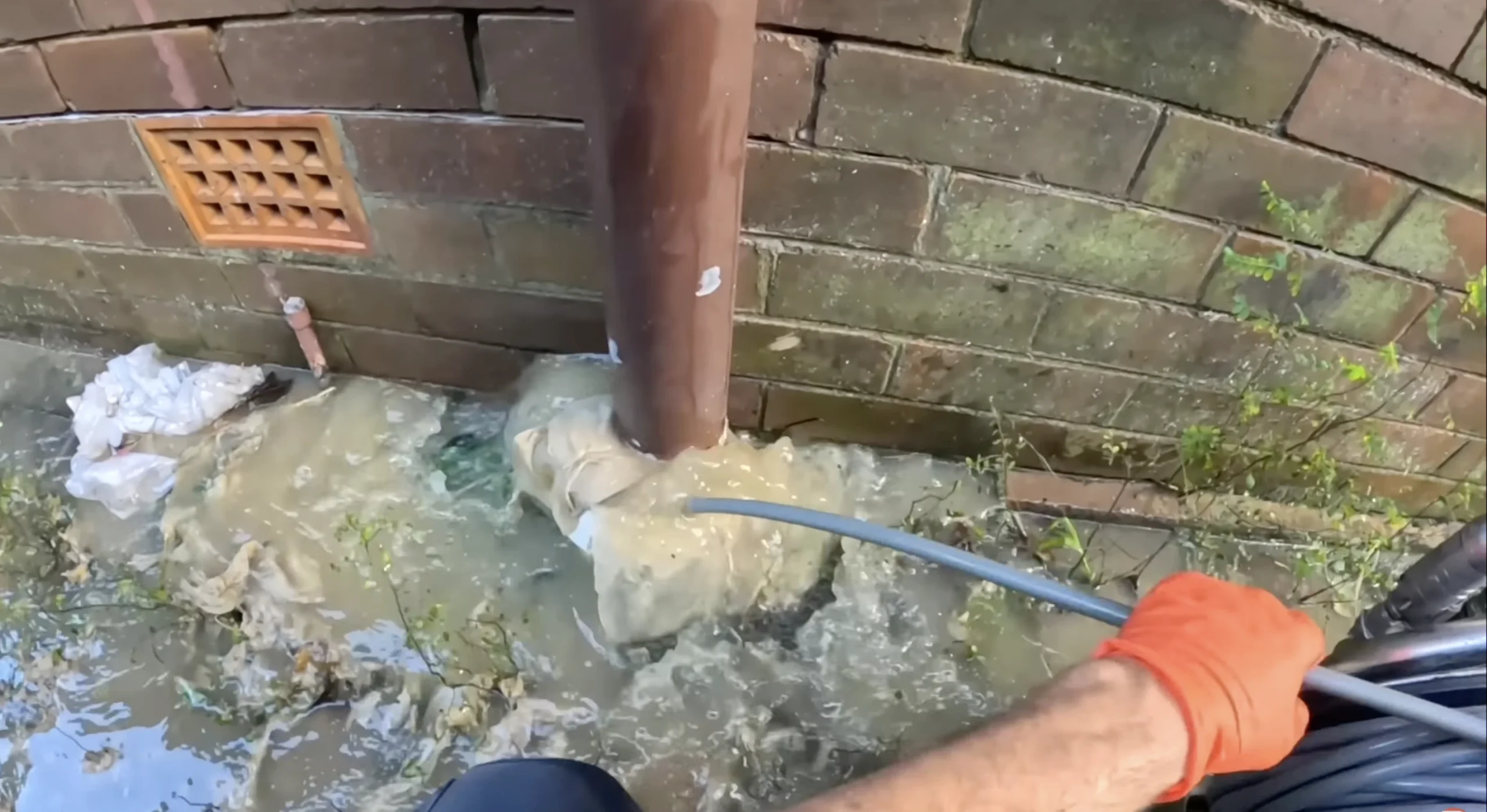
A clogged storm drain doesn’t back up into your house, it backs up into your yard, your driveway, and eventually the Spokane River. We clear catch basins and storm lines before standing water becomes a real problem.
Not the Same System, Not the Same Problem
Here’s something a lot of people don’t realize until it matters: your storm drain and your sewer line are two mostly separate systems. Your sewer line carries wastewater from your home to treatment. Your storm drain carries rain and snowmelt runoff from your driveway, yard, and street toward a local waterway. In Spokane, the city operates more than 300 miles of separate storm sewers, and roughly 130 of them discharge directly into the Spokane River, sometimes through engineered soil, gravel, and sand filtration areas designed to catch pollutants first, sometimes with no treatment step at all.
There’s a real exception worth knowing, and it happens to cover some of the neighborhoods we work in most. Downtown Spokane and South Hill still run on an older combined system, more than 400 miles of pipe where stormwater and sewage share the same infrastructure. When it rains, that combined flow goes to the city’s wastewater treatment plant rather than straight to the river. During major storms, the city holds excess flow in large storage tanks, over a million gallons of capacity added in recent years specifically to keep that overflow out of the Spokane River rather than letting it discharge untreated the way it used to.
Whatever the specific plumbing behind your property, the practical point is the same: whatever’s sitting in a catch basin when the next storm hits doesn’t just disappear. It moves. Leaves, gravel, sediment, and general yard debris build up in the sump at the bottom of a catch basin over time, and once that debris reaches the outlet pipe, water has nowhere to go. The next heavy rain or spring thaw just sits there instead of draining.
What We Do, Honestly
We clear catch basins, curb inlets, and storm drain lines for Spokane properties dealing with standing water, slow drainage, or a basin that’s visibly full of debris. We’re licensed and insured to work in Washington. This is a service we handle alongside our regular drain and sewer work, not something we’re unfamiliar with, and we’d rather tell you that plainly than dress up a specific years-in-business number we can’t actually verify for you.
How Storm Drain Cleaning Actually Works
A catch basin is essentially a settling chamber. Water flows in through the grate, and the basin’s design lets it slow down enough that heavier debris, sediment, gravel, litter, sinks to the bottom instead of continuing downstream. That’s exactly what makes catch basins useful, and exactly why they need periodic cleaning. Once the sump fills up, the settling function stops working and the basin starts acting more like a plug than a drain.
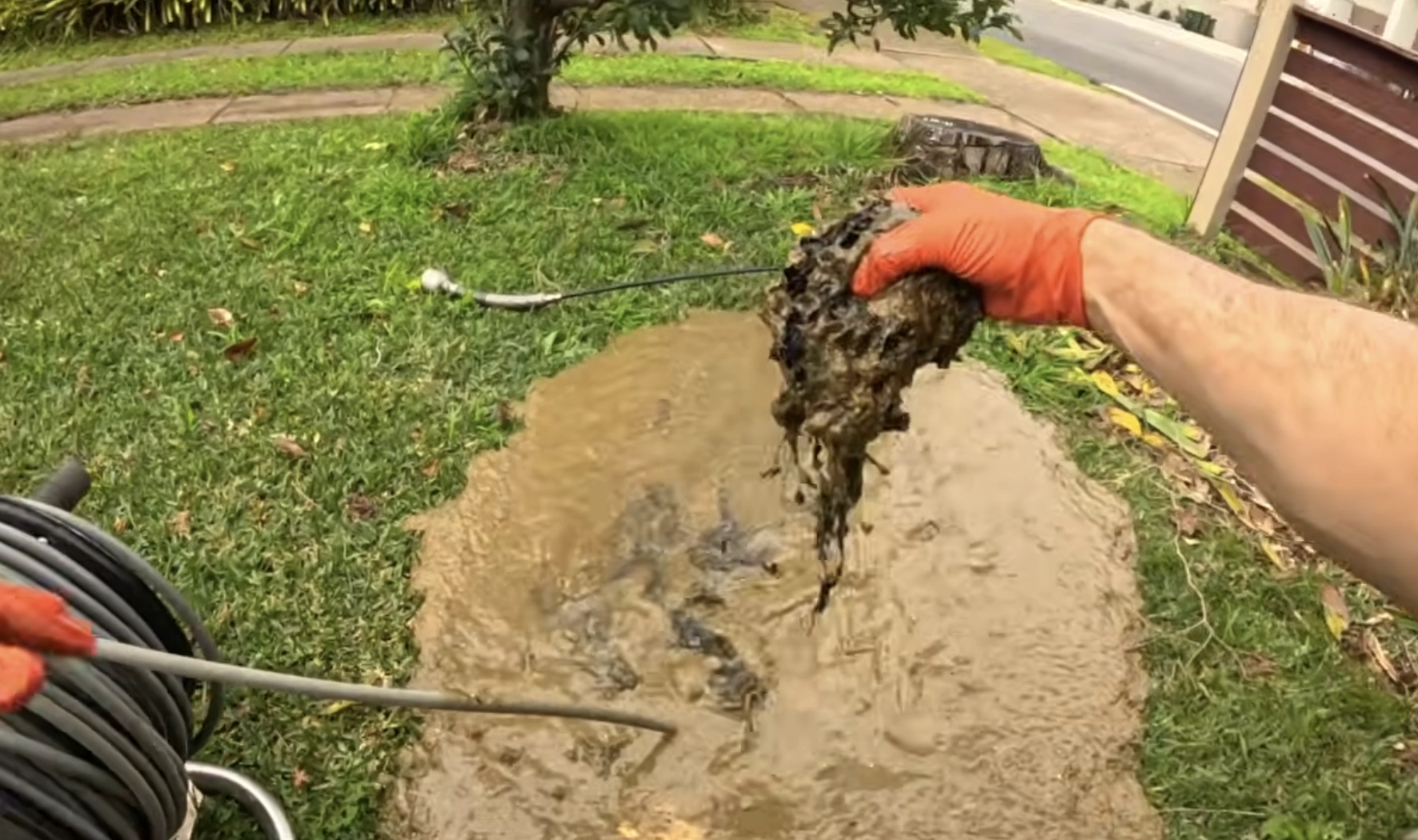
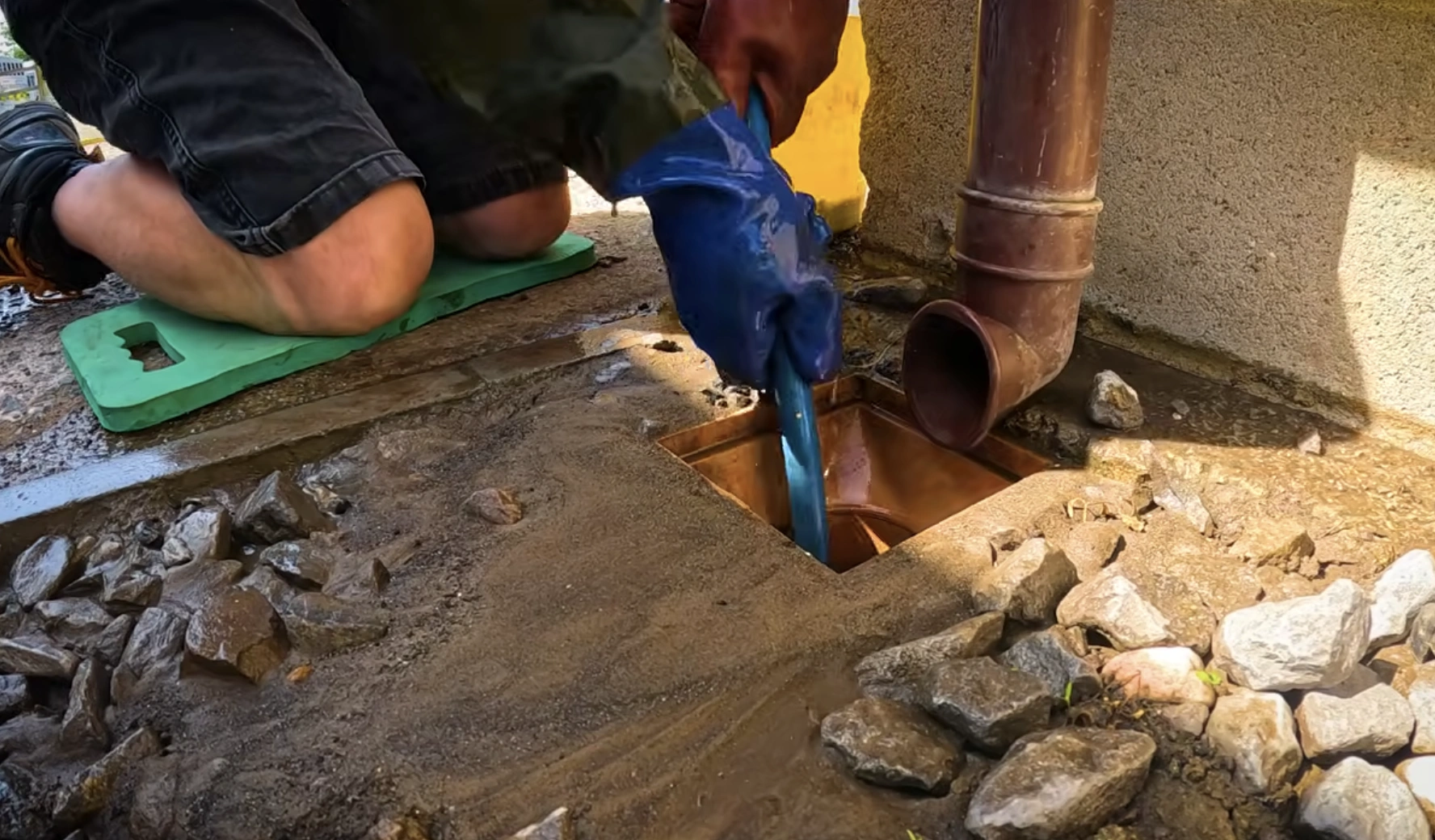
The actual cleaning combines high-pressure water to break up compacted debris with a vacuum system to pull it out. For a straightforward residential basin, that’s often enough. Larger or more clogged basins sometimes need a more thorough vacuum truck approach rather than a simpler scoop-and-remove method, particularly if local requirements call for more complete debris removal.
One thing worth knowing upfront: the material at the bottom of a catch basin is often anaerobic, meaning it’s been sitting without oxygen, and disturbing it during cleaning can release hydrogen sulfide gas with a distinct rotten-egg smell. It’s a normal part of the process, not a sign anything’s wrong, but it’s worth knowing before you’re standing next to an open basin wondering what that smell is.
Our Process
Usually we start with an on-site look at the basin or drain in question, since severity varies a lot from a basin that’s mostly full to one that’s completely blocked and holding standing water. From there, we run high-pressure water to break up the debris and vacuum it out, checking the connecting line while we’re at it to make sure the blockage isn’t extending further than the basin itself. All the debris gets hauled away and disposed of properly, since storm drain sediment can pick up enough contaminants from runoff that it’s not something you just dump on the property.
A standard residential job is usually a fairly quick visit. A basin that’s been neglected for years, or one that’s part of a larger drainage issue, can take longer and sometimes benefits from a camera check on the connecting line.
What Happens If You Skip It
A storm drain that’s not doing its job doesn’t fail quietly. Water that should be draining through the catch basin instead pools in your yard, backs up onto your driveway, or in worse cases works its way toward your foundation. In Spokane specifically, that risk climbs during spring snowmelt, when a winter’s worth of accumulated snow turns into a genuinely large volume of water in a short window, and again during fall, when leaf drop from the city’s mature tree canopy is exactly the kind of debris that fills a catch basin fastest.
There’s also a cost dimension that’s easy to underestimate. Standing water sitting against pavement or a foundation for repeated seasons does gradual damage that’s a lot more expensive to fix than a basin cleaning would have been.
On Trust, Without Inventing Anything
We’re not going to hand you a made-up customer quote to sell you on this. What we can tell you honestly: the most common issue we see with storm drain work elsewhere in this industry is a quick debris scoop that looks clean on the surface but doesn’t actually clear the sump or check the connecting line, so the same problem comes back within a season or two. We’d rather do the job thoroughly the first time than make a return trip look like good customer service.
Why This Matters More in Spokane Specifically
Spokane sees somewhere around 44 inches of snow in a typical year, more than the national average, and that snowpack doesn’t disappear gradually. Spring melt can send a substantial volume of water through the storm drainage system in a compressed window, especially if a basin hasn’t been checked since the previous year. Combine that with mature, established tree canopy across much of the city’s older neighborhoods, and fall leaf drop fills catch basins on a predictable annual cycle whether anyone’s paying attention to it or not.
The Environmental Side of a Clogged Storm Drain
There’s a reason the City of Spokane runs an entire public program around this, funded through a monthly stormwater charge on utility bills. Stormwater runoff picks up oil, sediment, fertilizer, pesticides, and general debris as it crosses pavement, and unlike sewage, most of it receives no treatment before reaching the Spokane River or seeping toward the Spokane Valley-Rathdrum Prairie Aquifer, the same aquifer that supplies a significant share of the region’s drinking water. The city’s own language for it is direct: anything other than actual rain going into a storm drain counts as an illicit discharge, and it’s reportable to the city at 509-625-7999.
A clogged catch basin doesn’t cause that pollution by itself, but a basin that’s full of decomposing debris and standing water is exactly the kind of thing regional stormwater programs are built to prevent, and keeping yours clear is a small, direct way to be part of that rather than a source of the problem.
Why People Choose to Work With Us
- Full basin and connecting line checked, not just the visible grate
- Flat pricing agreed before we start
- Straightforward about what a job actually involves
- Debris hauled away and disposed of properly
Where We Work
We serve Spokane and the surrounding Inland Northwest broadly.
Frequently Asked Questions
How much does storm drain cleaning cost in Spokane?
Residential catch basin cleaning typically runs somewhere between $200 and $600, depending on basin size, how much debris has built up, and access. More severe blockages or larger commercial basins can run higher. We’ll give you a specific number after taking a look.
How is a storm drain different from a sewer line?
A sewer line carries wastewater from your home to treatment. A storm drain carries rain and snowmelt runoff directly to a local waterway, in Spokane’s case often the Spokane River, without going through treatment first. They’re separate systems entirely.
How often should a storm drain or catch basin be cleaned?
Once a year is a reasonable general guideline for a typical residential property, though basins in areas with heavy tree cover or frequent debris may need attention more often.
What’s that smell when you’re cleaning a catch basin?
Material at the bottom of a basin is often anaerobic, and disturbing it during cleaning can release hydrogen sulfide gas with a rotten-egg odor. It’s a normal part of the process.
Can a clogged storm drain actually damage my property?
Yes. Standing water that can’t drain properly can pool against a foundation, damage pavement over repeated seasons, and in more serious cases contribute to flooding during heavy rain or rapid snowmelt.
Do you just scoop out visible debris, or clean the whole system?
We check the full basin sump and the connecting line, not just what’s visible from the grate. A surface-level scoop that skips the sump or the line tends to have the problem return within a season.
Is storm drain cleaning covered by homeowners insurance?
Generally not as routine maintenance. Coverage sometimes applies if a blockage contributes to sudden water damage, so it’s worth checking your specific policy.
Why does this matter more in spring in Spokane?
Spokane typically gets around 44 inches of snow a year, and spring melt can send a lot of water through the drainage system quickly. A basin that’s already partially blocked from fall debris is more likely to overflow during that window.
Does Spokane’s storm drain system actually connect to the Spokane River?
Yes, directly in most of the city. Spokane operates over 300 miles of separate storm sewers with roughly 130 outfalls discharging to the river, often with minimal filtration. Downtown and South Hill are the exception, running on an older combined system where stormwater goes to the treatment plant along with sewage rather than straight to the river.
Can tree roots get into storm drain lines the way they do sewer lines?
It’s less common than in sanitary sewer laterals, but it can happen, particularly with older clay or concrete storm lines near mature trees. It’s one of the things we check for if a basin keeps re-clogging despite regular cleaning.
Do I need a permit to have my storm drain cleaned?
Typically not for routine cleaning of an existing catch basin on private property. If a project involves modifying or repairing the drainage system itself, that’s a different conversation, and we can walk you through what applies.
Areas We Serve
Clear it before the next storm hits
Full basin and line check, flat price, debris hauled away.
Call (858) 878-6414