

Sewer Line Repair & Trenchless Replacement in Spokane, WA
A camera inspection told you something’s wrong. Here’s what actually happens next, what your real options are, and why the answer isn’t always “dig up the yard.”
The moment a camera finds something real
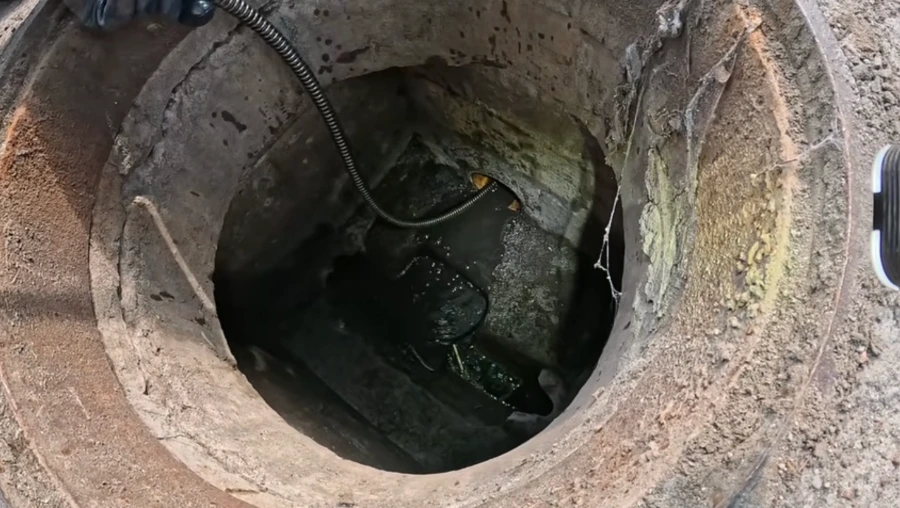
Sewer line repair in Spokane almost always starts the same way: a camera inspection just showed something a simple cleaning won’t fix. There’s a specific kind of quiet that happens when the camera stops moving and the person running it says “okay, hold on” instead of narrating normally. That pause usually means the footage just showed a cracked joint, a collapsed section, or a belly where the pipe has sagged low enough that water isn’t draining through it anymore. It catches most homeowners off guard, even when they suspected something was off going in.
Here’s the part that actually matters right now, though: not every camera finding means digging up your entire yard. That’s the assumption most people carry into this conversation, and it’s often wrong. The pipe material, the type of damage, and how much of the line is actually affected all change what a reasonable fix looks like, and there’s a real range of options between “small patch” and “excavate the whole lateral.”
What actually needs fixing versus what doesn’t
A camera inspection tells us one of a few different things, and they call for genuinely different responses. A single cracked joint or a short section with root intrusion is often a spot repair, fixing just that section rather than the whole line. A pipe that’s uniformly old and deteriorated along its length, common in Spokane homes still running on original clay tile or Orangeburg pipe from the early-to-mid 1900s, usually points toward a full trenchless replacement instead, since patching one spot on a line that’s failing everywhere just delays the next call. A fully collapsed section or a severely misaligned joint sometimes can’t be lined at all and needs a short excavated dig even when the rest of the repair stays trenchless.
None of this is a judgment call we make from the age of your house alone. It’s what the footage actually shows, section by section.
Sewer Line Repair Methods in Spokane, Compared Honestly
There’s a handful of real methods here, and which one applies depends entirely on what the camera found.
| Method | Best For | Yard Impact |
|---|---|---|
| CIPP lining | Pipe that’s still structurally round but cracked, leaking, or root-damaged | Minimal, usually just the access points |
| Pipe bursting | Lines too damaged to line, including collapsing sections or corroded cast iron | Minimal, new pipe pulled through the old path |
| Spot repair | A single damaged section, rest of the line in reasonable shape | Small, localized dig |
| Full excavation | Severe bellying, multiple collapses, or lines under structures | Most disruptive, used only when necessary |
What this runs, honestly
We won’t give you a number without a camera inspection first. Anyone quoting a sewer repair without having actually looked at the pipe is guessing, and that guess tends to land in the customer’s favor a lot less often than it should.
How long the fix actually lasts
A properly installed CIPP liner or a pipe-bursting replacement is generally rated for 40 to 50 years or more, which is a meaningfully long runway for a repair that doesn’t require tearing up your property. Done correctly, it’s a full structural fix, not a stopgap.
Our process
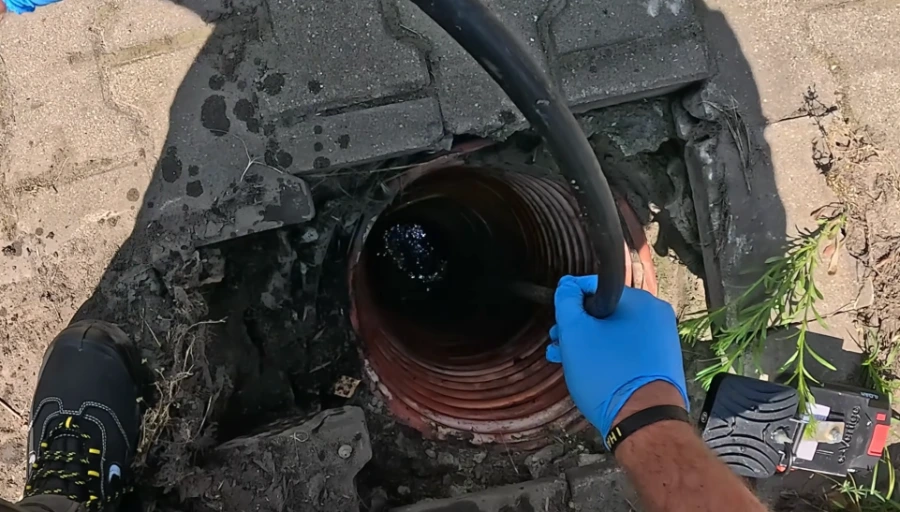
We don’t quote sewer line repair off a description over the phone. It starts with a camera inspection, every time, so we can see exactly what’s damaged and how much of the line is actually affected. From there, we walk you through what the footage shows and which methods are realistically on the table for that specific damage, not a one-size answer applied regardless of what we found. Once you approve a method, we schedule the work, and most residential trenchless jobs finish in a single day, sometimes stretching to two on a longer or more complex lateral. If part of the work genuinely requires excavation, we’ll tell you that upfront rather than discovering it mid-job.
What we won’t do
We’re not going to recommend full excavation because it’s simpler for us or because trenchless sounds unfamiliar to explain. If a line can be lined or burst instead of dug up, that’s what we’ll propose, because it’s less disruptive to your yard and usually costs less once you factor in landscaping and driveway restoration on a dig job. We’re also not going to hand you a made-up customer story to sell you on this. What we can tell you honestly: the complaint we hear most from people who’ve been through this with another company isn’t that the repair failed. It’s that nobody explained why a specific method was chosen, or that excavation got proposed as the only option without a trenchless alternative even being mentioned.
Why this comes up so often in older Spokane neighborhoods
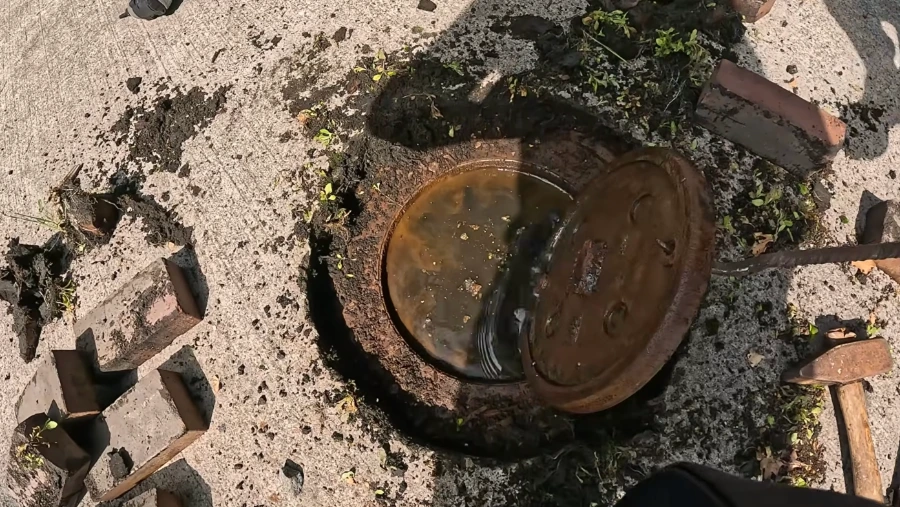
Spokane’s median home was built in 1961, and a real share of the city’s housing stock predates 1940. A lot of what’s buried under those properties is original clay tile, cast iron, or Orangeburg fiber pipe, none of which was built to last a century, and all of which eventually reaches a point where cleaning isn’t enough anymore. Neighborhoods like South Hill, Browne’s Addition, Manito-Cannon Hill, Cliff-Cannon, and Comstock carry a disproportionate share of these calls, partly because of the housing age and partly because of the mature tree canopy that comes with it, since root intrusion at an aging joint is one of the most common reasons a repair becomes necessary in the first place.
Spokane’s freeze-thaw winters add another layer. Soil shifts around buried pipe every year as it freezes and thaws, and that repeated movement stresses joints that are already decades past their original design life. It’s a big part of why a line that seemed fine for years can deteriorate noticeably over a single hard winter.
Why people choose to work with us
- Camera inspection before any repair quote
- Trenchless proposed first when it’s a real option
- Flat pricing, permits included in the estimate
- An honest answer on why a method was chosen
Where we work
We serve Spokane and the surrounding Inland Northwest broadly, with the deepest concentration of calls in the city’s older, tree-lined core.
- South Hill
- Browne’s Addition
- Manito-Cannon Hill
- Cliff-Cannon
- Comstock
- Emerson-Garfield
- West Central
- Rockwood
- Corbin Park
- Balboa
- Kendall Yards
- Spokane Valley
- Liberty Lake
- Cheney
- Airway Heights
- Deer Park
- Five Mile Prairie
Outside that footprint, call anyway. We can usually tell you quickly whether a trip out makes sense for your specific situation. If you’re dealing with a repair we’ve quoted or a camera inspection that flagged something concerning, sewer line repair in Spokane is exactly the kind of job worth getting a second, camera-verified opinion on before anyone starts digging.
Frequently Asked Questions
How much does sewer line repair cost in Spokane?
Typically $2,000 to $20,000 or more, depending on the method and how much of the line needs work. A short spot repair sits at the low end, a full-line replacement on a long or difficult lateral sits at the high end.
What’s the difference between CIPP lining and pipe bursting?
CIPP inserts a resin liner into the existing pipe and cures it into a new interior wall, good for pipe that’s still structurally round. Pipe bursting pulls a new pipe through the old one while breaking the old pipe apart, used when a line is too damaged to line.
Will my whole yard need to be dug up?
Usually not. Most repairs today use trenchless methods that limit disruption to one or two small access points. Full excavation is reserved for cases where trenchless genuinely isn’t viable, like a fully collapsed section or a severe belly.
How long does a trenchless repair last?
A properly installed CIPP liner or pipe-bursting replacement is generally rated for 40 to 50 years or more.
How long does the repair take?
Most residential trenchless jobs finish in a single day, occasionally stretching to two on a longer or more complex line. A job requiring partial excavation can take longer depending on scope.
Do I need a camera inspection before getting a repair quote?
Yes. A repair quoted without one is a guess, not an assessment. We run a camera first so the method and price reflect what’s actually damaged.
Is trenchless repair covered by homeowners insurance?
Generally not for age-related deterioration. Some policies offer a separate underground service line endorsement, so it’s worth checking your specific policy before assuming coverage either way.
Can Orangeburg or clay tile pipe be repaired with trenchless methods?
Sometimes. It depends on the pipe’s current condition. Clay tile that’s still round and structurally intact can often be lined. Orangeburg that’s already deformed or collapsing usually needs pipe bursting or, in severe cases, excavation instead.
Do I need a permit in Spokane for this kind of work?
Generally yes, and permit costs vary depending on the scope of work. We factor permitting into your quote rather than adding it as a surprise later.
How do I know if I need a repair instead of just a cleaning?
A camera inspection answers this directly. If the pipe itself is cracked, collapsed, or structurally compromised, cleaning alone won’t resolve it long-term, even if it temporarily restores flow.
Areas We Serve
Get a camera-verified repair plan
No guessing, no default-to-excavation. Just what the footage actually shows.
Call (858) 878-6414