
Grease Trap Cleaning in Spokane, WA
A grease trap that’s overdue for cleaning isn’t just a maintenance item, it’s a compliance risk and a Saturday-night backup waiting to happen. We keep it documented and on schedule so it never becomes either.
A Different Kind of Drain Problem
Most of what’s on this site is written for homeowners. This page isn’t. Grease trap cleaning in Spokane is a fundamentally different kind of service: if you’re running a restaurant, café, food truck commissary, or any commercial kitchen here, your grease trap isn’t a household maintenance item, it’s a regulated piece of equipment with a real compliance schedule attached to it, and letting it slide isn’t just inconvenient. It’s the kind of thing that shows up on a health inspection, and it’s the kind of thing that backs up during a Friday dinner rush if nobody’s tracking it.
A grease trap works on a simple principle: wastewater slows down as it passes through, fats and oils float to the surface, solids sink, and comparatively clean water exits through the outlet. It’s effective, but only up to a point. Once fats, oils, and grease, generally shortened to FOG in this industry, build up past a certain level, that separation stops working and the trap starts sending grease straight into the sewer line instead of catching it.
What We Do, Honestly
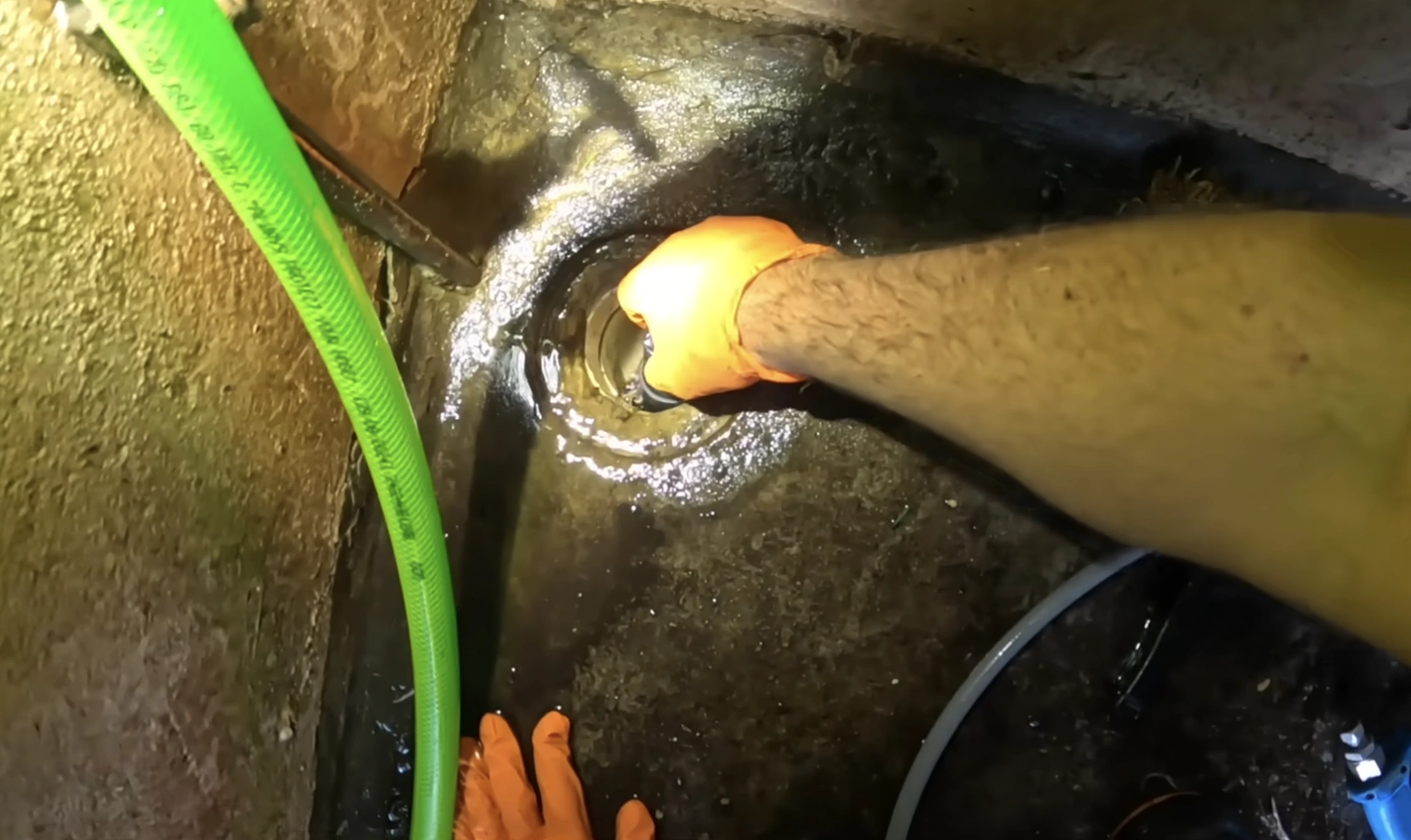
We clean and pump grease traps and interceptors for Spokane restaurants and food service operations, and we keep documented service records for every visit, since that documentation is exactly what a health inspector or your local sewer authority will ask to see. We’re licensed and insured to work in Washington. This is a service we run alongside our residential drain and sewer work, and we’d rather tell you that plainly than invent a specific commercial-kitchen tenure we can’t actually back up.
The 25% Rule, and Why It’s the Actual Trigger
Most jurisdictions, and most FOG compliance programs generally, work off what’s known as the 25% rule: a grease trap should be cleaned once the combined layer of grease and solids reaches roughly a quarter of the trap’s total capacity. That’s the real trigger, not a fixed calendar date. A trap that was cleaned two weeks ago but has already hit 25% capacity is still out of compliance, and a trap that’s been sitting for two months but is well under that threshold might genuinely be fine. Inspectors typically verify this with a depth measurement, not a guess.
That said, most municipalities and sewer authorities also set a minimum service frequency regardless of how full the trap actually is, often quarterly for larger outdoor interceptors and more frequent for smaller indoor units. Most municipalities in Washington require some form of documented grease trap maintenance, generally through a permit or FOG compliance program, and missing documentation or an overdue trap can result in fines even if nothing has actually backed up yet.
How Often This Actually Needs to Happen
There’s no single answer that fits every kitchen, and we’d rather say that honestly than give you a number that doesn’t match your actual operation. A small café or low-volume coffee shop might genuinely be fine on a quarterly schedule. A full-service restaurant with a standard menu often needs service somewhere in the range of every four to twelve weeks. A high-volume kitchen, particularly one doing heavy frying, tends to hit the 25% threshold faster and may need biweekly or even weekly service on a smaller indoor trap. Menu type, cooking volume, and daily wastewater flow all factor into where your specific kitchen actually lands.
Grease Trap Cleaning Spokane Restaurants Can Actually Afford
Scheduled Grease Trap Cleaning in Spokane vs. Emergency Service
Here’s the part worth understanding upfront: emergency service after a backup or an inspection failure typically costs meaningfully more than scheduled maintenance, sometimes on the order of two to three times as much for a single visit, and that’s before accounting for potential fines or the cost of a shut-down kitchen during service hours. Scheduled maintenance is consistently the cheaper path over any real time horizon, not just the more convenient one.
Our Process
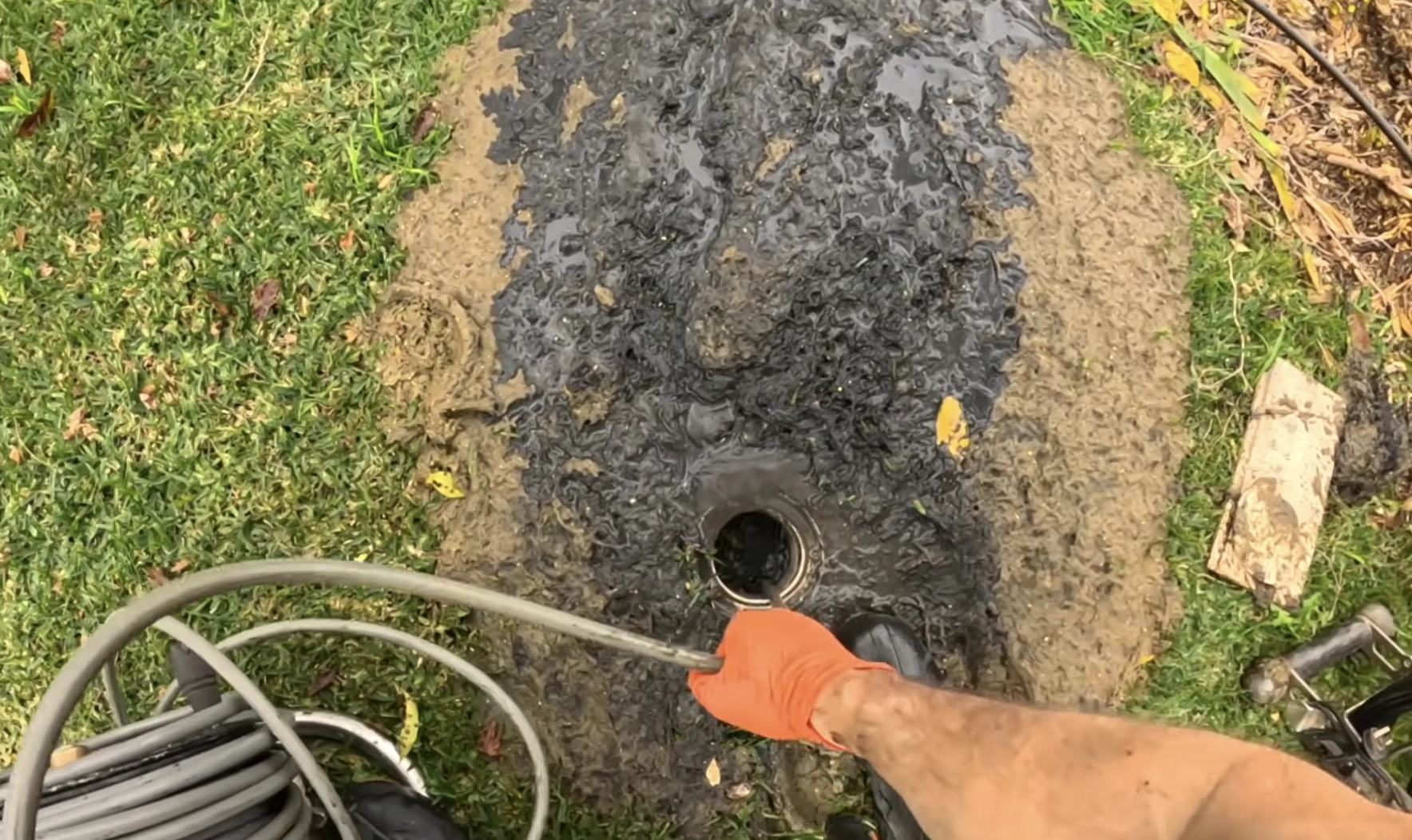
Usually we start by confirming your trap’s size, location, and current service history, since that determines the right cleaning schedule for your specific operation rather than a generic default. From there, we pump and clean the trap, checking that fats, oils, and solids are actually removed down to a clean baseline rather than just skimmed off the top. Every visit gets documented, with a service record you can keep on file for inspections. If we notice signs your current schedule isn’t keeping pace with your actual FOG volume, we’ll say so and suggest an adjustment rather than let you find out the hard way at your next inspection.
What We Won’t Do
We’re not going to sell you enzyme or bacterial additive treatments as a substitute for actual professional cleaning. They can help break down some grease between services, but they don’t replace physical removal, and several jurisdictions explicitly prohibit reducing cleaning frequency based on additive use alone. If a company’s telling you additives mean you can skip scheduled service, that’s not accurate, and it’s not a shortcut we’re willing to recommend.
Why This Matters More for Spokane Food Service Specifically
Spokane’s restaurant and food service scene runs through genuinely varied kitchen types, from small downtown cafés to high-volume dinner-service restaurants, and each one produces FOG at a different rate. Most municipalities in Washington require documented maintenance through some form of permit or FOG compliance program, and Spokane’s sewer authority is no exception in expecting service records on request. Keeping a clean, documented history isn’t just about avoiding an immediate backup. It’s the thing that makes an inspection a non-event instead of a problem.
Why People Choose to Work With Us
- Documented service records for every visit
- Honest schedule assessment, not a default sales pitch
- Both small indoor traps and larger outdoor interceptors handled
- No additive shortcuts recommended in place of real cleaning
Where We Work
We serve Spokane and the surrounding Inland Northwest broadly, including commercial and food service operations across these areas.
- South Hill
- Browne’s Addition
- Manito-Cannon Hill
- Cliff-Cannon
- Comstock
- Emerson-Garfield
- West Central
- Rockwood
- Corbin Park
- Balboa
- Kendall Yards
- Spokane Valley
- Liberty Lake
- Cheney
- Airway Heights
- Deer Park
- Five Mile Prairie
If your location falls outside that footprint, call anyway. Whatever your kitchen’s size, grease trap cleaning in Spokane is something we can generally get scheduled quickly once we know where you’re located.
Frequently Asked Questions
How much does grease trap cleaning cost in Spokane?
It depends heavily on trap size and service frequency. A small indoor trap typically runs $150 to $200 per visit, while a mid-sized 500-gallon trap common at a full-service restaurant often runs $350 to $600. Larger outdoor interceptors cost more given the time and equipment involved.
How often does my restaurant’s grease trap need to be cleaned?
It depends on your kitchen’s actual FOG output, not a single universal schedule. Small, low-volume operations may be fine quarterly. Full-service restaurants often land somewhere between four and twelve weeks. High-volume, heavy-frying kitchens may need biweekly or weekly service on a smaller trap.
What is the 25% rule?
It’s the industry-standard trigger most FOG compliance programs use: a grease trap should be cleaned once grease and solids reach roughly 25% of the trap’s total capacity, regardless of how recently it was last serviced.
What happens if my grease trap fails an inspection?
Consequences vary by jurisdiction but commonly include fines, and repeat violations can lead to more frequent mandatory inspections or, in serious cases, other enforcement action. Documented, consistent service records are generally the simplest way to avoid this entirely.
Do enzyme or bacterial additives reduce how often I need professional cleaning?
They can help break down some grease between services, but they don’t replace physical removal, and many jurisdictions explicitly don’t allow reduced cleaning frequency based on additive use alone.
What’s the difference between a grease trap and a grease interceptor?
Generally a matter of size and location. A grease trap is typically smaller and installed indoors, often under a sink, for lower-volume operations. A grease interceptor is larger, usually installed outdoors and in-ground, for higher-volume commercial kitchens.
Do I need documentation of my grease trap service?
Yes, in most Washington municipalities. Health inspectors and sewer authorities generally expect service records showing consistent maintenance, and missing documentation can itself be a compliance issue even if the trap is being serviced.
Is emergency grease trap service more expensive than scheduled cleaning?
Yes, typically meaningfully more, often on the order of two to three times the cost of a routine visit, before accounting for any fines or lost business during a shutdown.
Can a new restaurant install any size grease trap it wants?
No. Proper sizing is generally required based on your kitchen’s actual wastewater volume, and an undersized trap for a high-volume operation won’t keep pace regardless of how often it’s cleaned.
What size kitchen actually needs a grease interceptor instead of a smaller trap?
It depends on wastewater volume more than kitchen size alone. High-volume, full-service restaurants and food production facilities typically need a larger interceptor, while smaller cafés or low-volume operations are often adequately served by a smaller indoor trap.
Areas We Serve
Keep your kitchen compliant and running
Documented service, honest scheduling, no additive shortcuts.
Call (858) 878-6414