
The Pre-Purchase Sewer Scope: What It Actually Protects You From
The Inspection Nobody Includes by Default
A standard home inspection checks the roof, the furnace, the electrical panel, the plumbing fixtures you can see. It does not check the sewer line running from the house to the street. That’s not an oversight. It’s simply outside the standard scope, and most general inspectors will tell you so directly if you ask. Which means on any home you’re seriously considering, particularly an older one, the single most expensive piece of hidden infrastructure on the entire property goes completely unchecked unless you specifically request it.
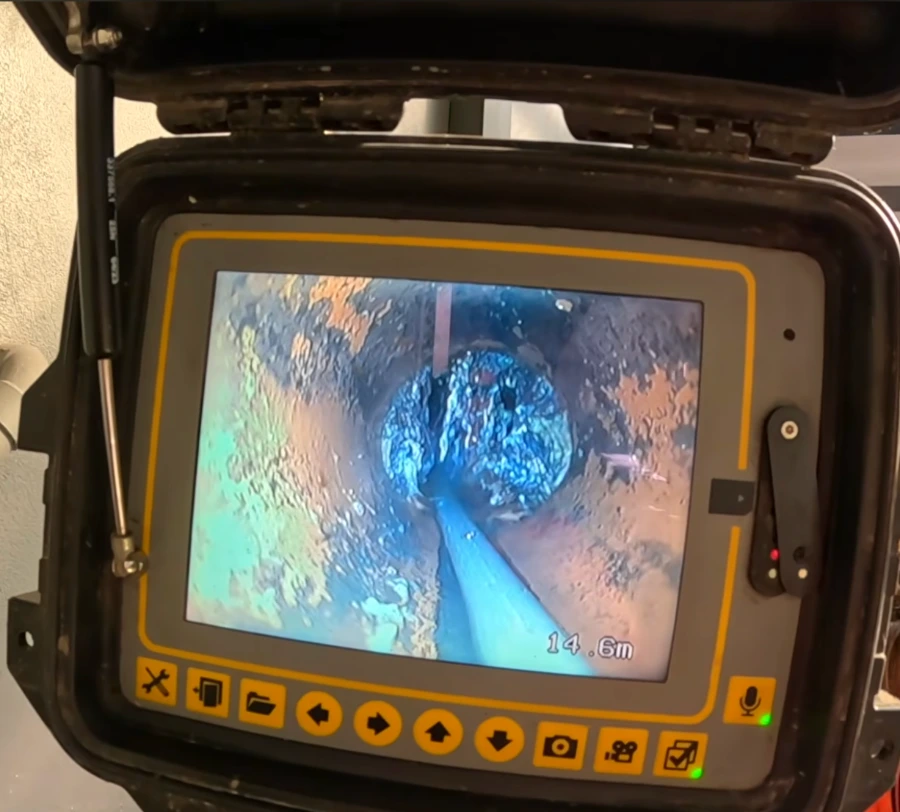
A sewer scope, sometimes called a sewer camera inspection, is that specific request. It’s a waterproof camera on a flexible cable, fed through an accessible cleanout or fixture, sending back live video of exactly what condition the line is actually in. The inspection itself typically takes thirty to sixty minutes.
What This Actually Costs Versus What You’re Protecting Against
When to Actually Schedule It
Timing matters more than people expect. The standard, low-friction approach is to schedule the sewer scope at the same time as your general home inspection, ideally the same day, during your inspection contingency period. That gives you the full window to get repair estimates, consult a specialist, and negotiate or walk away based on real findings rather than a guess.
There’s a more assertive alternative worth knowing about too, particularly in a competitive market. Some buyers schedule the sewer scope before they even write an offer. It costs a little more upfront, but it means you already know the pipe’s condition before you’re negotiating anything, and you can factor a needed repair directly into your initial bid instead of raising it after the fact. Either way, the wrong time to find out about a sewer problem is after closing. At that point, whatever leverage you had is gone.
What Actually Shows Up on the Camera
The report typically documents pipe material, cracks, offsets, root intrusion, bellied sections, and blockages, along with a video and a written summary marking where problems sit along the line. Heavy root intrusion, large pipe offsets, severe bellies, a collapsed section, or Orangeburg pipe are all significant findings that should factor directly into your negotiation, not just minor notes to file away.
Orangeburg specifically is worth flagging on its own: it’s a bituminous fiber pipe with an expected lifespan of roughly thirty to fifty years, and at this point it’s past that window essentially everywhere it was originally installed. Finding Orangeburg on a pre-purchase scope isn’t a maybe. Replacement is a matter of when, not if.
How to Actually Use the Findings in Negotiation
Once you have a report and, ideally, a repair estimate to go with it, there are a few standard paths. You can ask for a repair credit at closing, a price reduction roughly equivalent to the estimated repair cost, or require the seller to complete the repair before closing entirely. Real estate attorneys handling larger transactions also sometimes negotiate specific representations and warranties about the sewer system’s condition directly into the purchase agreement.
Contract language for a sewer contingency is usually straightforward and specific. Something along the lines of "offer contingent on buyer’s approval of sewer line inspection within a set number of days" or "if inspection reveals defects exceeding a specific dollar amount in estimated repairs, buyer may terminate or renegotiate in good faith" is typical.
Sellers Often Prefer This Gets Resolved Before Closing
It’s worth understanding the seller’s side of this too. A sewer scope with a video and a repair estimate gives a buyer real, documented leverage, and most sellers would rather negotiate a fix or a credit before closing than risk the deal falling apart entirely over an issue that’s now on record.
Why This Matters More for Older Spokane Homes Specifically
Spokane adds a specific wrinkle to this. Plenty of homes here predate 1970, some going back to before 1940, and what’s actually buried in the yard is frequently clay tile, cast iron, or Orangeburg, none of it installed with anywhere near a hundred-year lifespan in mind. A general rule worth knowing: homes over roughly 20 to 30 years old, or properties with large, established trees near where the sewer line likely runs, are the clearest candidates for a scope regardless of how the home looks above ground.
What Happens If You Skip It
If you close without a sewer scope and a problem turns out to already exist, it’s entirely yours the moment the sale finalizes. No negotiating leverage, no credit, no seller contribution. Given how inexpensive the inspection is relative to what it protects against, skipping it on an older home is a genuinely easy way to trade a few hundred dollars of certainty for a potential five-figure surprise.
Frequently Asked Questions
How much does a pre-purchase sewer scope inspection cost?
Typically $250 to $500, depending on the home’s location and how accessible the sewer line is. It’s a small cost relative to the average repair, which runs around $4,000, or a full collapse, which can exceed $25,000.
When should I schedule a sewer scope during the home buying process?
The standard approach is scheduling it alongside your general home inspection, during your inspection contingency period. Some buyers in competitive markets schedule it before even writing an offer.
Does a standard home inspection include the sewer line?
No. Sewer lines are outside the scope of a typical general home inspection and require a separate, specifically requested sewer scope.
What findings on a sewer scope should actually change my offer?
Heavy root intrusion, large pipe offsets, severe bellies, a collapsed section, or Orangeburg pipe are all significant findings that should factor directly into your negotiation.
Can I negotiate repairs based on a sewer scope report?
Yes. Common approaches include requesting a repair credit at closing, a price reduction equivalent to the estimated repair cost, or requiring the seller to complete repairs before closing.
What if I’ve already closed and then discover a sewer problem?
At that point, negotiating leverage is gone, and the repair is your responsibility as the new owner. This is exactly why timing the inspection during the contingency period matters so much.
Is Orangeburg pipe automatically a dealbreaker if found during a scope?
Not automatically, but it’s a significant finding. Orangeburg has an expected lifespan of roughly thirty to fifty years and is now past that window almost everywhere it exists.
How old does a home need to be before a sewer scope is really necessary?
A reasonable general rule is homes over roughly 20 to 30 years old, or any property with large, established trees near the likely path of the sewer line.
Will the seller know if I request a sewer scope?
Generally yes, since it typically requires scheduling access through the seller’s agent or including it as part of your inspection contingency. It’s a completely normal part of due diligence.
Is a sewer scope worth it on a newer home too?
It’s lower priority on a newer home with modern PVC piping and no mature trees nearby, but if you have any uncertainty about the home’s actual pipe age or history, it’s still inexpensive insurance.