
Hydro Jetting vs. Snaking: Which One Do You Actually Need?
This Isn’t a "Jetting Is Better" Article
A lot of what’s written on this topic reads like a sales pitch for hydro jetting with snaking cast as the outdated option. That’s not accurate, and it’s not how we’d actually want you deciding. Snaking is the right call in a real number of situations. Jetting is overkill, sometimes genuinely risky, in others. The actual question isn’t which method is better in the abstract. It’s which one fits what’s actually happening with your specific drain.
What Each Method Actually Does
A drain snake, sometimes called an auger, is a flexible metal cable with a cutting or hooking head on the end. A crank feeds it into the pipe, where it physically breaks apart a clog or hooks onto debris and pulls it back out.
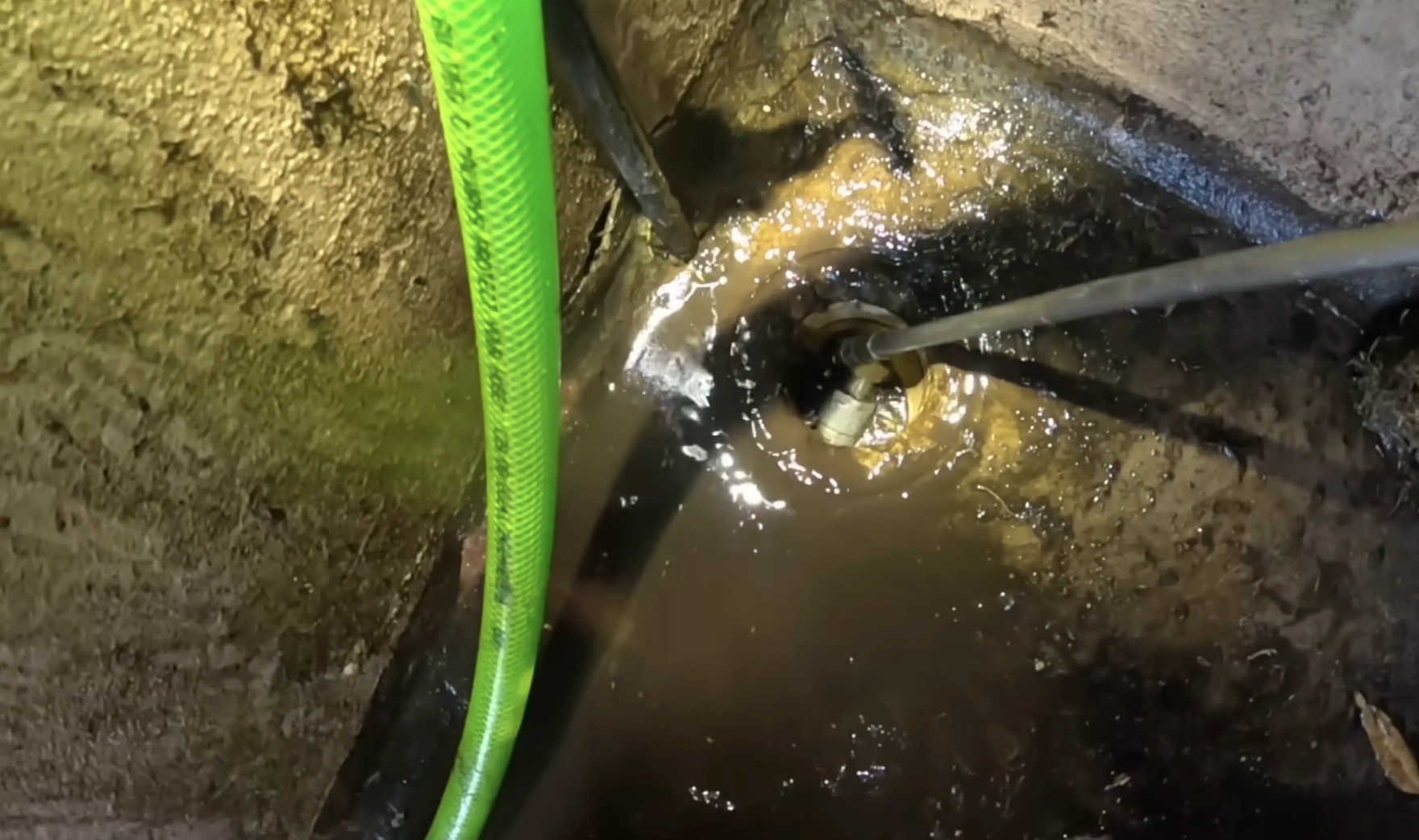
Hydro jetting uses a specialized nozzle on a hose, pushing water through the pipe at somewhere around 1,500 to 4,000 PSI depending on the pipe and the job. Forward-facing jets cut through the blockage, while rear-facing jets scour the full interior wall of the pipe as the hose is pulled back out. That wall-scouring action is the core functional difference between the two methods.
When Snaking Is Actually the Right Call
When Hydro Jetting Is the Better Choice
The Honest Risk Most Comparisons Skip: Snaking Isn’t Risk-Free Either
It’s worth being direct about something most comparisons gloss over. Snaking, especially done repeatedly or improperly, can wear pipes down over time, and in some cases it can compact material further into the line or push a clog deeper rather than actually clearing it. This isn’t an argument against snaking generally. It’s a reason snaking should be done by someone who knows when a line needs something more than another pass with a cable.
What a Real Decision Actually Looks Like
Is this the first time this specific drain has clogged? If yes, and the cause seems obvious, snaking is a reasonable first step.
Has this line clogged before, within about six to twelve months? If yes, you’re dealing with a buildup problem, and jetting is the more durable answer.
Do you know your pipe’s age and material? Homes built before 1960 warrant caution with jetting until a camera confirms the pipe’s actual condition.
Are multiple fixtures affected, not just one? That points toward a shared main line issue, which usually calls for a camera inspection before either method.
Sometimes It’s Actually Both, Not Either/Or
A detail that gets lost in most head-to-head comparisons: professionals sometimes use both methods on the same job, sequentially. A quick snake pass can open a line just enough to get a camera through it for an accurate diagnosis, and jetting follows afterward if the situation actually calls for it.
What This Actually Costs
Snaking typically runs on the lower end of drain cleaning costs, often a few hundred dollars for a standard residential job. Hydro jetting costs more upfront, reflecting the more thorough scope of work. The honest cost comparison isn’t snaking-price versus jetting-price in isolation, though. It’s the total cost over time. A single, well-diagnosed snaking job on a newer PVC line can mean years without another service call. Three separate snaking visits on a line with an actual buildup problem often ends up costing close to what one proper jetting job would have cost the first time.
Frequently Asked Questions
Is hydro jetting always better than snaking?
No. For a single, first-time clog in a newer, structurally sound line, snaking is often the right, sufficient answer. Jetting is the better choice specifically for recurring buildup, grease, or root intrusion, not as a universal upgrade.
Can hydro jetting damage old pipes?
It can, on already-fragile or severely corroded lines, particularly clay tile or cast iron installed before 1960 to 1980. That’s why pipe condition should be confirmed, usually with a camera, before jetting an older line.
Can snaking damage my pipes too?
Yes, especially with repeated or improper use. Snaking can wear down pipe walls over time and in some cases compact material further into the line rather than actually clearing it.
How do I know if my clog is a one-time issue or a recurring buildup problem?
If a line that’s been cleared before clogs again within roughly six to twelve months, that points toward buildup coating the pipe walls rather than an isolated, one-time event.
Do plumbers ever use both snaking and hydro jetting on the same job?
Yes. A quick snake pass sometimes opens a line enough for an accurate camera inspection, with jetting following afterward if the diagnosis calls for it.
Is snaking cheaper than hydro jetting?
Generally yes, for a single visit. Over time, repeated snaking visits on a line with an actual buildup problem can add up to roughly the cost of one proper jetting job, without fully resolving the underlying cause.
Will hydro jetting work on tree root intrusion?
Often, yes, particularly for root material that hasn’t caused a full structural break in the pipe. For more severe intrusion, jetting is sometimes paired with mechanical root cutting.
Should I get a camera inspection before choosing either method?
If the problem keeps returning, multiple drains are affected, you suspect roots, or the home has older plumbing, yes. A camera confirms what’s actually inside the line first.
Is a DIY drain snake from a hardware store a reasonable option?
For a very minor, shallow clog near a single fixture, it can be fine. For anything recurring, deep, or affecting multiple fixtures, professional tools and an actual diagnosis are safer.
What should I do if multiple drains are backing up at once?
Avoid running additional water and get it looked at promptly. Multiple fixtures backing up together usually points to a shared main line issue.
Related Reading
Not sure which one you need?
We’ll tell you honestly, camera inspection included before any recommendation.
Call (858) 878-6414