

Why Does My Yard Smell Like Sewage? A Real Diagnostic Approach
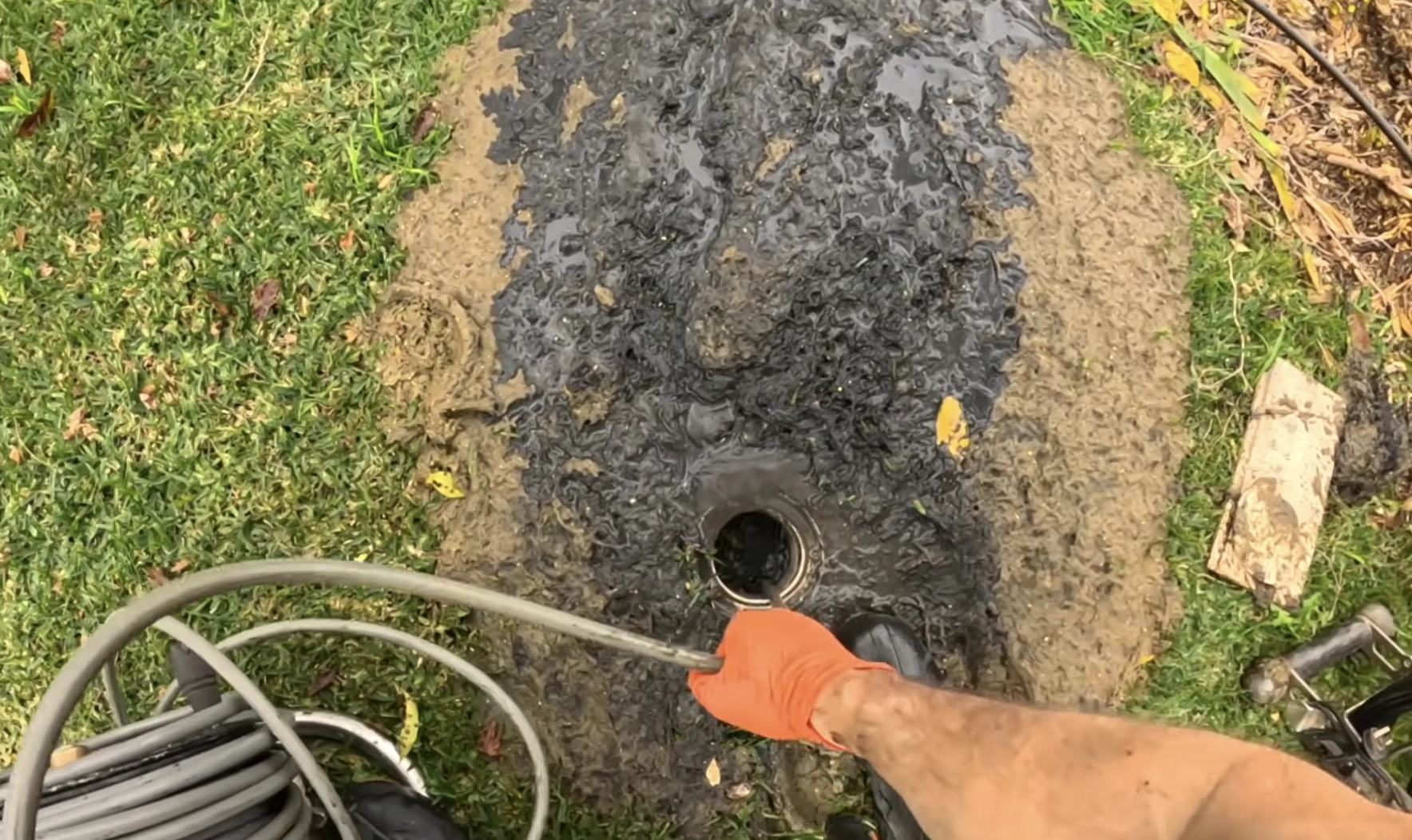
A Healthy System Shouldn’t Smell Like Anything
Here’s the thing worth knowing before anything else: a properly working sewer or septic system produces no noticeable outdoor odor. None. The gases involved get vented safely above the roofline through your plumbing vent stack, where wind disperses them before anyone notices. So if you’re standing in your yard catching a rotten-egg or sewage smell, something specific has gone wrong somewhere between your house and the point where that waste is supposed to end up. It’s not background noise to get used to. It’s a system telling you exactly where to look, if you know how to read it.
Start by Walking the Yard, Not Guessing From the Porch
The single most useful thing you can do before calling anyone is walk the property and figure out where the smell is actually strongest. Location narrows the cause more than almost anything else. A smell concentrated in one specific spot points toward a localized problem right there, a cracked pipe, a bad cleanout seal, a septic tank issue. A smell that’s diffuse across the whole yard, especially one that shifts with wind direction, points more toward a venting problem than a leak.
While you’re out there, look for physical signs alongside the smell. A patch of unusually green or lush grass in an otherwise ordinary lawn is a real, documented indicator, since leaking wastewater effectively fertilizes the ground above it. Soggy or soft spots that don’t dry out even in dry weather are another. So is standing water in an area with no obvious drainage reason to be wet.
The Most Common Cause: A Cracked or Broken Sewer Line
Sewer pipes crack from age, corrosion, shifting soil, root intrusion, or heavy weight pressing down from above. When that happens, wastewater seeps directly into the surrounding soil instead of continuing to the sewer main or septic tank, and the odor rises up through the grass even on a dry day. This is consistently identified as one of the most common causes of yard sewage smell across plumbing and septic sources.
This is where Spokane’s older housing stock matters specifically. Spokane’s older housing stock plays a real role here too. A lot of what’s still buried under the city’s older properties, clay tile, cast iron, sometimes Orangeburg fiber pipe, has been in the ground since long before anyone was thinking about its eventual replacement date. Add in freeze-thaw winters that shift soil around buried pipe every year, and cracked or displaced joints are a genuinely common outcome, not a rare one.
A Clogged Line Can Cause the Same Smell, Even Without a Crack
A blockage doesn’t have to break the pipe to cause an odor problem. When waste and debris build up in a line, pressure from behind the clog can force sewer gas back out through weak points, loose joints, or an improperly sealed cleanout, even while the pipe itself remains structurally intact. In some cases, a partial blockage lets waste move through slowly enough that gas escapes steadily without ever producing a visible backup indoors.
Check the Cleanout Before Assuming the Worst
Most homes have an outdoor sewer cleanout, a capped access point connecting to the main line. It’s one of the easier things to check yourself. If the cap is missing, cracked, or simply not sealed tightly, sewer gas escapes directly at that spot, and in some cases the cleanout is buried just below the surface, which means you might not immediately realize that’s actually the source. It costs nothing to check and can rule out one of the more common, simplest-to-fix causes before assuming something more serious.
Vent Pipe Problems: The Cause That’s Easy to Miss
Your plumbing system is designed to vent sewer gases safely above the roofline through a vent stack, where wind carries them away before they become a nuisance at ground level. If that vent is blocked, undersized, or not functioning correctly, gases that should be dispersing far overhead can end up collecting at odd, hard-to-predict spots around the property instead. This cause is genuinely harder to pinpoint than a visible cleanout or a soggy patch of lawn, since there’s often no obvious physical sign to look for.
If You’re on a Septic System, the Diagnosis List Gets Longer
Homes on septic systems have their own additional set of potential causes beyond what a municipal sewer connection involves. The most commonly cited cause across septic-specific sources is simply a tank that’s overdue for pumping. Beyond that: a damaged or unsealed tank lid, loose inspection port covers, a blocked or undersized vent pipe on the tank itself, a drainfield that’s become saturated or is failing outright, a high seasonal water table pushing back against the system, and even a bacterial imbalance inside the tank caused by harsh chemical cleaners.
A full tank and a failing drainfield produce genuinely different smells and require entirely different fixes. If you’re not certain whether your property is on septic or municipal sewer, or you don’t know where your tank actually is, that’s a separate, worthwhile thing to sort out first.
How Professionals Actually Pinpoint the Source
Digging up your yard based on a guess is expensive and often wrong. Two tools do the actual diagnostic work without tearing anything up first. A sewer camera run through an accessible cleanout shows the interior condition of the line directly, cracks, root intrusion, blockages, and misaligned joints all show up clearly on camera. Smoke testing is the other genuinely useful technique for this specific problem: a harmless, non-toxic smoke is introduced into the sewer line, and wherever that smoke escapes at the surface is exactly where the actual leak or venting failure is located, without any excavation at all.
What Not to Do While You’re Figuring This Out
Don’t pour chemical drain cleaner down your fixtures hoping it’ll resolve an outdoor odor. It won’t touch a cracked line, a bad cleanout seal, or a septic issue, and it can genuinely damage older pipe material in the process. Don’t start digging where the smell seems strongest either. Unplanned digging risks striking a different buried line entirely, and on a septic system, it can damage tank or drainfield components that are expensive to repair.
Why This Is Worth Taking Seriously, Not Just Unpleasant
Sewer gas at typical outdoor concentrations isn’t usually dangerous, but it’s not purely cosmetic either. Extended exposure, particularly in confined spaces like a crawlspace or a pit near a failing system, can cause headaches, nausea, dizziness, and breathing discomfort, and in genuinely extreme, enclosed situations, accumulated gases can pose a real safety hazard beyond just the smell. Treating a persistent yard odor as a minor annoyance to tolerate rather than a system malfunction to actually diagnose is how a manageable, inexpensive fix turns into a much bigger one.
Frequently Asked Questions
Why does my yard smell like sewage even though it hasn’t rained?
A dry-weather odor points more toward a leak or crack directly seeping into the soil rather than a temporary surface issue. Cracked sewer lines and septic drainfield problems both commonly produce this pattern.
Is it dangerous to smell sewage in my yard?
At typical outdoor concentrations, it’s usually more of a nuisance than an immediate danger, though extended exposure can cause headaches, nausea, or dizziness, and it always signals a system that isn’t working correctly.
How can I tell if it’s my sewer line or my septic system?
If your home connects to municipal sewer, a broken or clogged line or a bad cleanout seal are the primary causes. If you’re on septic, a full tank, drainfield failure, or a vent issue on the tank itself are more likely, and the fixes are completely different.
What does a patch of unusually green grass in my yard actually mean?
It can indicate wastewater leaking into the soil directly beneath it, since the nutrients in sewage effectively fertilize the grass above a leak. It’s a real, commonly cited diagnostic sign, not just a coincidence.
Can a clogged drain cause a sewage smell outside if nothing’s backing up indoors?
Yes. A partial blockage can let waste move through slowly enough that gas escapes through weak points or joints without ever producing a visible indoor backup.
Should I check my sewer cleanout myself?
Yes, this is one of the easier and safer things to check without any equipment. Confirm the cap is present, intact, and sealed properly.
What is smoke testing, and how does it work?
A harmless, non-toxic smoke is introduced into the sewer line, and wherever it escapes at the surface reveals the exact location of a crack, bad joint, or vent problem, without needing to dig first.
Can old pipe materials make this more likely in Spokane specifically?
Yes. A significant share of Spokane’s older housing sits on original clay tile, cast iron, or Orangeburg fiber pipe, and combined with freeze-thaw soil movement every winter, cracked joints and displaced pipe sections are a genuinely common cause of yard odors here.
Will pouring bleach or chemical cleaner down my drains fix the smell?
No. It won’t reach a cracked underground line, a bad cleanout seal, or a septic issue, and repeated use can actually damage older pipe material.
How urgent is it to get a persistent yard sewage smell checked?
It’s worth addressing promptly rather than waiting. Left alone, the underlying cause generally gets worse over time rather than resolving on its own.
Related Reading
Let’s find out exactly where it’s coming from
Camera inspection and smoke testing pinpoint the source without digging up your yard.
Call (858) 878-6414