

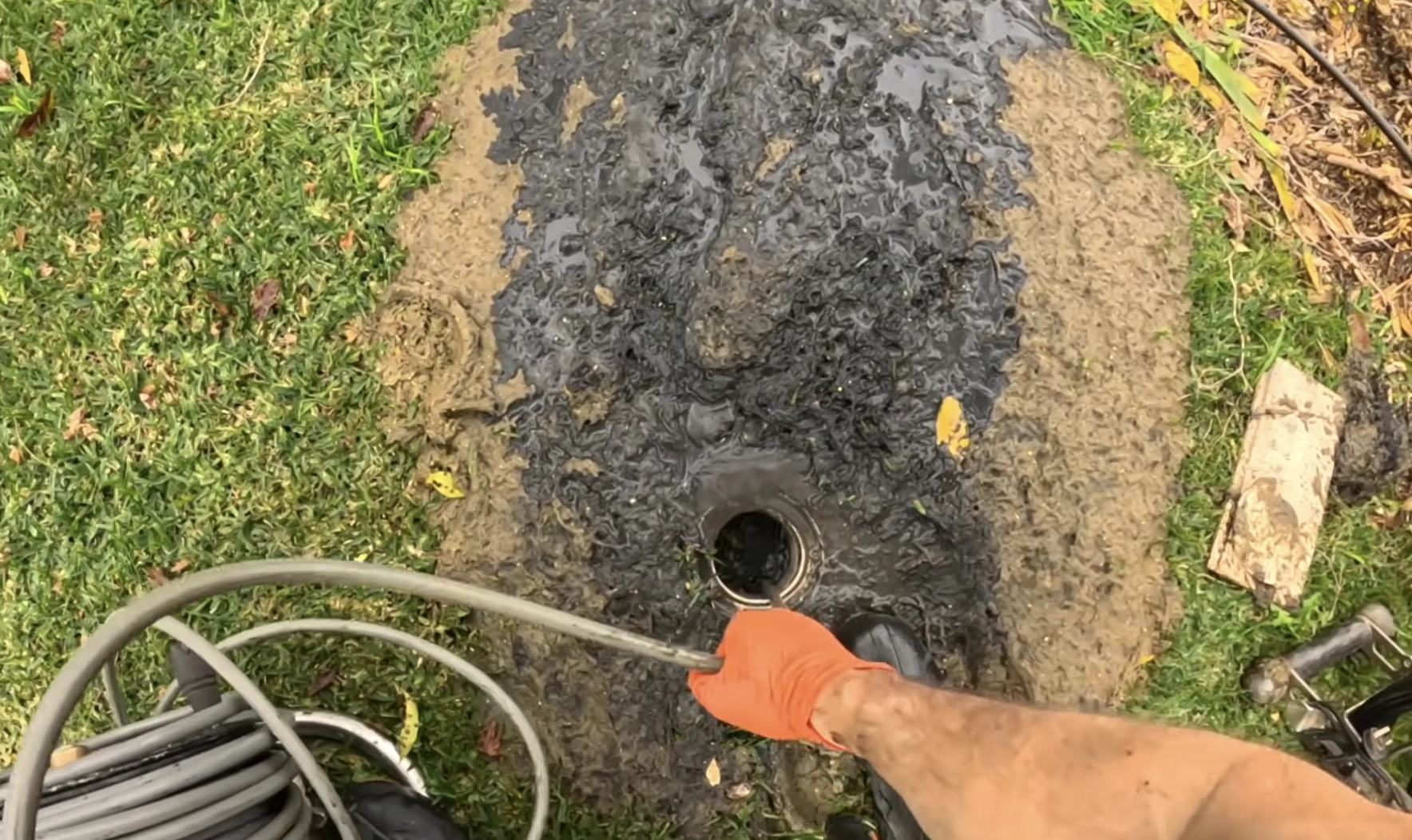
Drain Cleaning & Sewer Service in Emerson-Garfield, Spokane
Homes built around Corbin Park in the early 1900s mean original clay tile and cast iron pipe are still common here. We run a camera down the line before recommending anything, so you know exactly what’s actually wrong.
A Neighborhood Built Around a Racetrack
Emerson-Garfield sits just north of downtown Spokane, across the Monroe Street Bridge, and its layout traces back to something most residents probably don’t know about their own streets: Corbin Park, the neighborhood’s central green space, started life as a 40-acre horse and bicycle racetrack in 1887. When D.C. Corbin, a railroad and mining magnate, bought the property in 1899, he platted a residential neighborhood around the old track instead of building over it. The park itself was dedicated in 1908, and the Queen Anne, bungalow, and classic box-style homes built around it between 1899 and 1942 are now part of the Corbin Park Historic District, listed on the National Register of Historic Places.
That history matters for a very practical reason. Most of Emerson-Garfield’s housing stock was built out by the early 1900s, with a lot of it dating to no later than 1939, and further construction filling in through the 1940s and 1960s. That puts a meaningful share of the neighborhood’s sewer laterals squarely in the clay tile and cast iron era, with some later additions potentially running on Orangeburg fiber pipe from the postwar years.
Why Emerson-Garfield’s Pipes Are Different
A neighborhood built around a dedicated park a century ago tends to keep its mature trees, and Emerson-Garfield is no exception. Established landscaping near Corbin Park and along the surrounding residential streets means root intrusion is one of the most common issues we run into here, the same pattern that shows up in Spokane’s other historic districts. Combine that with pipe material that was never designed for a hundred-plus years of service, and it’s a predictable combination: slow, gradually worsening drains that eventually turn into a backup, often right around the first hard freeze or the spring thaw.
Services We Run Most Often Here
Frequently Asked Questions
Why does Emerson-Garfield see more sewer backups than newer neighborhoods?
A large share of the neighborhood’s housing dates to the early 1900s through the 1930s, built on original clay tile and cast iron pipe that’s now well past its expected service life and more prone to root intrusion and joint failure.
Is the historic district status of Corbin Park relevant to plumbing work?
Not directly for interior drain and sewer work, though homes within the Corbin Park Historic District may have specific requirements for exterior alterations. Sewer line repair on private property generally isn’t affected the same way.
Do you offer same-day service in Emerson-Garfield?
Yes. Same-day appointments are typically available for active clogs and backups in this area.
Related Services
Serving Emerson-Garfield, Spokane
Same-day service, camera inspection before any repair quote.
Call (858) 878-6414