
Septic Tank & Sewer Line Location in Spokane, WA
Don’t know where your septic tank or sewer line actually is? We find it precisely, without random digging, so any repair, pump-out, or landscaping project starts in the right spot.
Nobody Marks This Before You Dig
Call 811 before you dig in Washington and someone comes out to mark the gas, electric, and water lines. Nobody marks your septic tank or your private sewer lateral. Those are yours to know, and if you don’t, the first sign of trouble is usually a shovel hitting something it shouldn’t, or a landscaping crew asking a question nobody in the house can answer.
It’s a more common problem than people expect, especially in Spokane. A lot of the city’s older neighborhoods sit on properties that predate full municipal sewer buildout, some still on private septic systems, others sitting on top of an old, abandoned septic tank from before the property connected to city sewer decades ago. Either way, if nobody’s looked, nobody actually knows what’s down there or exactly where.
What We Do, Honestly
We locate septic tanks and sewer laterals for Spokane homeowners who need to know precisely where theirs is, whether that’s for a pump-out, a repair, a real estate transaction, or before any digging or landscaping project. We’re licensed and insured to work in Washington. We’re not going to hand you a specific “years in business” number that we can’t back up, but we can tell you honestly that this is a routine part of what we do alongside camera inspection and drain work, not a side service we’re figuring out as we go.
How Tank and Line Locating Actually Works
There are a few different methods, and which one we use depends on what we’re dealing with.
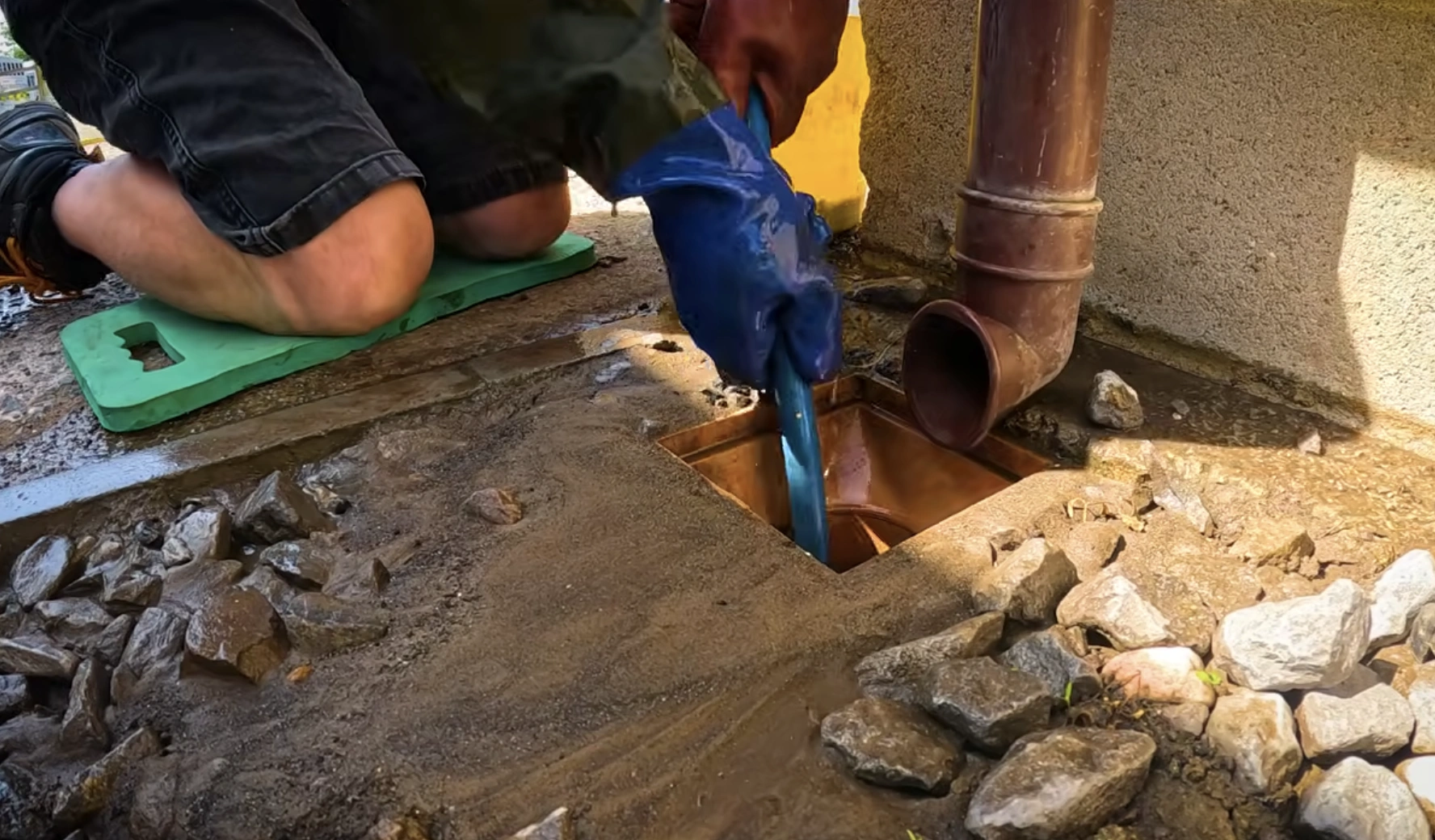
Here’s the honest caveat: if the line is already blocked or the septic system is actively backing up, a flushable transmitter can’t always make it through cleanly. That’s usually when we switch to tracing from an accessible point instead, or pair the locate with a camera inspection to see what’s actually happening in the line at the same time.
Our Process
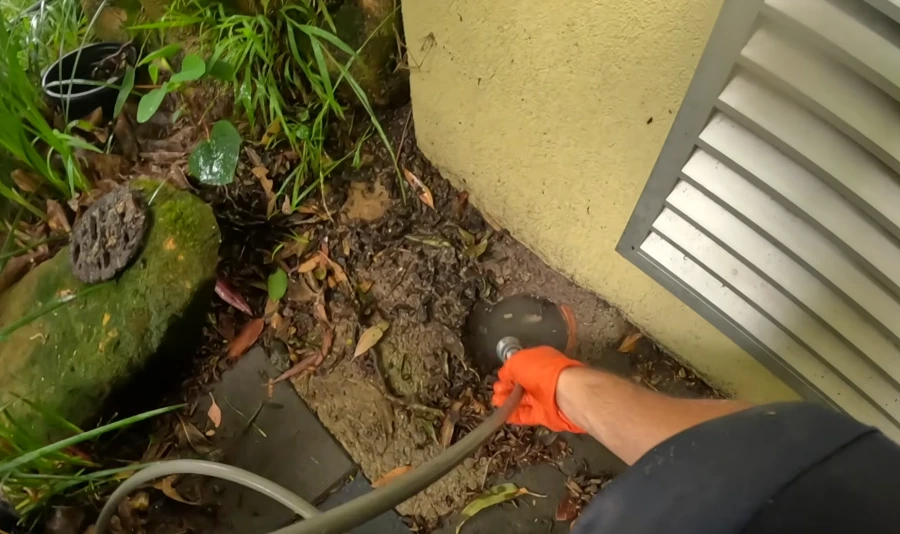
Usually we start by asking what you actually need: just a tank location for a pump-out, a full lateral trace before a repair, or documentation for a property sale. That changes where we start and how thorough the trace needs to be. From there, we identify the best access point, typically an existing cleanout or the main line where it exits the house, and run the locate. Once we’ve got a fix on the tank or the pipe path, we mark it clearly on the surface so you’re not second-guessing it a week later when the landscaping crew shows up. If a camera inspection makes sense at the same visit, we can typically do both without a second trip out.
It’s usually a fairly quick visit, often under an hour for a straightforward property, though a large lot, a deeply buried tank, or a system with no records at all can take longer.
Why This Matters More on Older Spokane Properties
Spokane’s median home was built in 1961, and a real share of the city’s housing stock predates 1940. On top of that, a portion of Spokane’s residential parcels, particularly in some of the outer neighborhoods and surrounding areas we serve, are still on private septic systems rather than municipal sewer, and others switched over to city sewer at some point without ever properly documenting what happened to the old tank.
That combination means a genuinely common scenario: nobody currently living in the house knows exactly where the tank is, there’s no as-built drawing on file, and the only way to find out for certain is an actual locate rather than a guess based on where the yard “seems most likely.”
What Happens If You Skip It
The obvious risk is physical: hitting a septic line or tank with a shovel, a fence post auger, or heavy landscaping equipment is expensive to fix and entirely avoidable. There’s also a real safety dimension here worth being direct about. If you ever do find an old tank lid, don’t open it and lean in to look. Septic tanks can build up hydrogen sulfide gas, which can cause unconsciousness within seconds and can be fatal within minutes in an enclosed space. That’s not a scare tactic, it’s a documented risk with these systems, and it’s exactly why locating and any actual tank access should go through someone who does this regularly.
Beyond the safety angle, not knowing your tank’s location just makes routine maintenance harder and more expensive than it needs to be. A septic tank generally needs pumping every three to five years, and every one of those visits is faster and cheaper when nobody’s searching the yard first.
On Trust, Without Inventing Anything
We’re not going to hand you a made-up customer quote to sell you on this. What we can say honestly: locating jobs are usually straightforward, and the main thing that goes wrong elsewhere in this industry is a rushed trace that gives someone false confidence about a location that turns out to be off by several feet. We mark what we actually find, not an approximate guess, and if we’re not confident in a result, we’ll say so rather than hand you a mark we’re not sure about.
Why People Choose to Work With Us
- Locating handled alongside camera inspection and drain work regularly
- Flat pricing agreed before we start
- Marks reflect what we actually traced, not a guess
- Honest next steps if we find something beyond just a location
Where We Work
We serve Spokane and the surrounding Inland Northwest broadly, with a particular focus on older, established neighborhoods and outlying areas more likely to still be on private septic systems.
Frequently Asked Questions
How much does septic tank or sewer line locating cost in Spokane?
Professional locating typically runs somewhere in the $100 to $350 range nationally, and we’ll give you a specific number based on your property before we start. If you’re scheduling a pump-out or camera inspection at the same visit, locating is often included rather than charged separately.
How deep is a septic tank usually buried?
Most tank lids sit somewhere between 12 and 24 inches deep, though it can range anywhere from about 4 inches to 4 feet depending on the property and how the system was originally installed.
Can you find a septic tank if there are no property records?
Yes, that’s actually the most common situation we run into. Electronic locating doesn’t depend on having records, it traces the actual physical line.
What if my septic line is already backed up or blocked?
A flushable transmitter can’t always travel cleanly through a blocked line. In that case, we typically trace from an accessible point instead or combine the locate with a camera inspection to see what’s actually going on.
Is it safe to open a septic tank lid myself once it’s located?
We’d recommend against leaning into or entering an open tank. Hydrogen sulfide gas can build up inside and is genuinely dangerous in an enclosed space. Locating and marking the tank is very different from opening and accessing it safely.
Do I need this before I can get my septic tank pumped?
If you already know exactly where it is, no. If you don’t, most septic pumping companies either include a locate as part of the service or can arrange one before the pump-out.
Does Spokane still have homes on private septic systems?
Some properties do, particularly in certain outer neighborhoods and surrounding areas outside the older, more established municipal sewer core. If you’re not sure which situation applies to your property, that’s exactly the kind of thing a locate and a quick conversation can clarify.
How long does a locate visit usually take?
Often under an hour for a typical residential property. A larger lot, a deeply buried tank, or a property with no usable records can take longer.
Can locating find an old, abandoned septic tank that’s no longer in use?
Often, yes, especially with ground-penetrating radar or metal detection if the tank has metal components. This comes up more than people expect on older Spokane properties that switched to city sewer at some point without documenting what happened to the original tank.
Will you mark the exact spot, or just give me a general area?
We mark what we actually trace, not an approximate zone. If we’re not confident in a specific result for some reason, we’ll tell you that directly rather than hand you a mark we’re not sure about.
Areas We Serve
Know exactly where it is before you dig
Electronic locating, flat price, marked clearly on the spot.
Call (858) 878-6414