
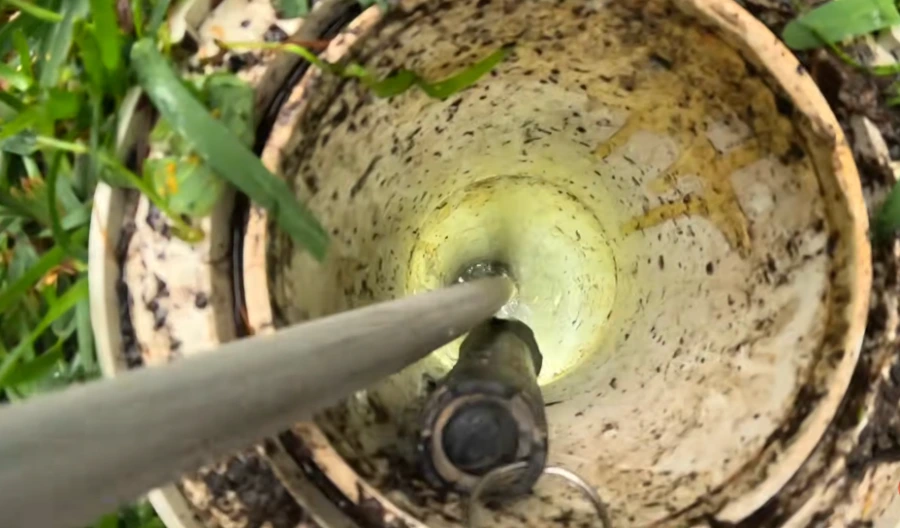
Hydro Jetting in Spokane, WA — Camera-Verified Before We Jet
A snaked drain that keeps re-clogging usually means grease and scale coating the pipe walls, not just a blockage. We run a camera first, jet at the pressure your pipe can actually handle, and quote a flat price before we start.
The clog that keeps coming back
Here’s the thing about a drain that clogs again three weeks after you had it snaked. It isn’t bad luck. A cable snake breaks a hole through whatever is blocking the pipe and pulls back whatever it can grab. That’s it. It doesn’t touch the grease coating the walls, the mineral scale building up layer by layer, or the hair and soap residue lining every inch of pipe between the clog and the street. So the pipe re-narrows. Usually faster than people expect.
We hear this a lot in Spokane specifically, and there’s a reason for it. A big share of the city’s housing stock is old enough that the sewer lateral running under the yard predates modern plumbing standards entirely. Clay tile, cast iron, sometimes Orangeburg fiber pipe from the 1940s through the early 1970s. None of that was built with today’s water use in mind, and none of it forgives decades of buildup the way a fresh PVC line might. Hydro jetting is usually the answer once snaking stops working. It’s not always the answer, though, and that distinction matters more than most companies bother explaining.
Where we’ve been, and what we won’t claim
We’ve spent years working specifically on Spokane’s mix of aging clay, cast iron, and fiber pipe, not a national script written for a different city’s soil and climate. That’s a meaningfully different skill set than jetting brand-new PVC in a subdivision built five years ago, and it shows in how carefully we approach an old line.
We’re licensed and insured to work in Washington. Beyond that, we’d rather not throw around vague claims like “trusted since” some specific year or “thousands of satisfied customers” without a way to back it up. What we can say honestly: we run cameras before we jet, we adjust pressure to the pipe in front of us instead of running one setting on everything, and we’ve seen enough Spokane sewer lines to recognize the difference between grease buildup and a structural problem within the first few feet of footage.
What hydro jetting is, and how it works on Spokane pipes
Hydro jetting uses a specialized nozzle on the end of a flexible hose, pushed through the line under high water pressure. Residential jetting typically runs somewhere in the 1,500 to 4,000 PSI range, adjusted depending on what the pipe is made of and how it’s holding up. The nozzle sprays forward to cut through blockages and backward or sideways to scour the full pipe wall as it’s pulled back out. That scouring action is the entire point. It’s what a snake can’t do.
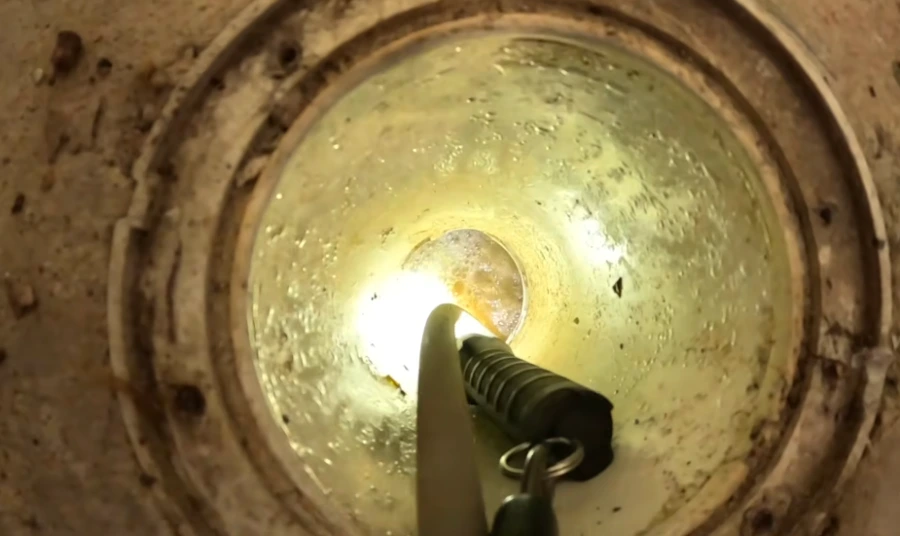
Most customers ask us the same version of one question: what’s actually different about this compared to snaking. Fair question. Snaking punches a channel through the middle of a clog and calls it done. Jetting cleans the whole diameter of the pipe, grease and scale included, not just the blockage sitting in the way that day. One clears the symptom. The other clears the pipe.
That said, we’re not going to pretend jetting is the right call every time, because it isn’t. If a line has scale buildup that’s honestly doing some of the structural work at this point, which happens more than people think in old cast iron, aggressively blasting that away can reveal there’s not much sound pipe left underneath. That’s a case for repair, not cleaning, and a decent camera pass tells us which one we’re actually looking at.
Our jetting process, and where it can vary
Usually we start with a phone conversation about what’s actually happening. Slow drain, recurring clog, gurgling, sewage smell, that kind of thing. From there:
Camera inspection first
Every time, on anything beyond a single obvious fixture clog. We want to see the pipe material, the condition of the joints, and whether there’s a structural issue hiding behind what looks like a routine blockage.
Pressure calibrated to the pipe
Modern PVC and ABS handle full pressure fine. Cast iron and clay tile often run lower to protect aging joints. Orangeburg fiber pipe gets extra caution since it deforms rather than cracks.
The actual jetting
Typically one to three hours for a residential job depending on line length and buildup. We work through the existing cleanout wherever one exists.
Follow-up verification
A second camera pass after jetting confirms the line is actually clear and nothing shifted during the cleaning.
It’s more complicated than a checklist makes it sound sometimes. A line with heavy root intrusion at multiple joints behaves differently than one with a single grease clog near the kitchen stack, and we adjust the approach as we go, not just at the start.
The equipment, briefly
Professional jetting equipment isn’t the same as what you’d rent from a hardware store for a weekend project. Rental units generally run in the 1,500 to 4,000 PSI range at best, while commercial-grade machines used by trained operators can reach considerably higher pressures for tougher commercial applications. The gap in cost between a rental and a professional-grade jetter is significant, and that cost difference is a decent chunk of why a licensed jetting service costs more than a DIY attempt, along with the training required to actually read camera footage and know when to back off the pressure.
Hydro jetting cost in Spokane
What happens if you skip it
A drain that keeps clogging every few weeks isn’t a minor annoyance forever. Left alone, grease and scale buildup narrows a pipe’s effective diameter further each cycle, and what started as a slow kitchen sink can become a full backup, sometimes at the worst possible time. In Spokane specifically, that risk climbs during winter, when freeze-thaw cycles shift soil around already-stressed old pipe, and during spring thaw, when saturated ground adds even more pressure to a line that was already struggling. A repeated $150 to $375 snaking bill every few months usually costs more over a year or two than one proper jetting that actually solves the underlying buildup.
On trust, without inventing testimonials
We’re not going to make up a customer quote with a name attached to sell you on this. What we can tell you honestly: the complaint we hear most from people who call us after trying someone else first isn’t about the work being bad exactly. It’s usually that nobody explained what was actually wrong, or a repair got recommended without a camera ever confirming it was necessary. That’s the gap we try to close. You see the same footage we’re looking at, and the price doesn’t move once we’ve started the job.
Is hydro jetting safe for Spokane’s old pipes?
Spokane’s median home was built in 1961, and roughly a quarter of the city’s housing stock predates 1940. That’s not a trivia fact. It’s the reason clay tile, cast iron, and Orangeburg pipe are still common enough that we run into all three on a regular basis, particularly in neighborhoods like South Hill, Browne’s Addition, Manito-Cannon Hill, Cliff-Cannon, and Comstock, where the mature tree canopy that makes these streets pleasant to walk is the same root systems working their way into old pipe joints.
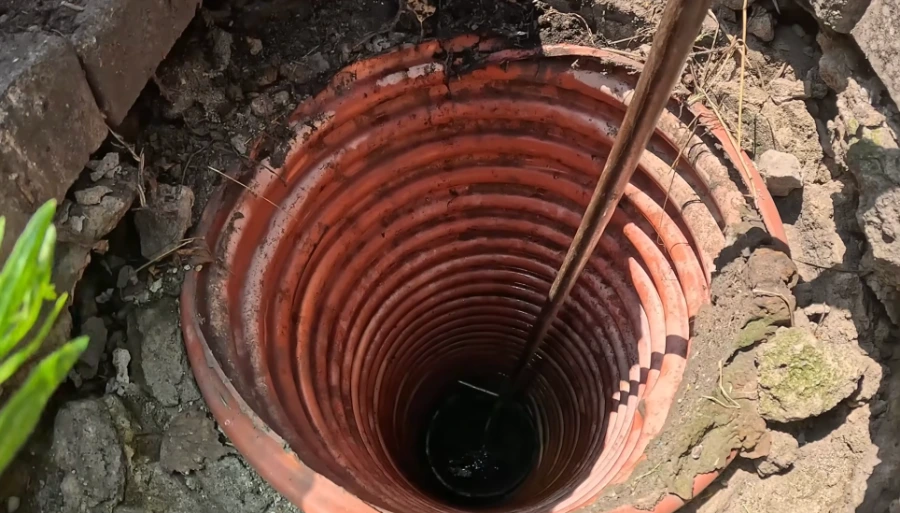
The climate plays a role too. Spokane sees somewhere around 44 inches of snow in a typical year, more than the national average, and winters routinely drop well below freezing, with a record low around negative 24 degrees on the books. That freeze-thaw pattern shifts soil around buried pipe every single winter. Combine decades-old pipe with that kind of seasonal stress and it’s a pretty predictable pattern: gradually slowing drains through fall, followed by a backup right around the first hard freeze or the spring thaw.
Why people choose to work with us
- Camera before quote, every time
- Flat pricing agreed before we start
- Pressure calibrated to your pipe’s material and condition
- Honest “not a good fit” calls when jetting isn’t right
Where we work
South Hill, Browne’s Addition, Manito-Cannon Hill, Cliff-Cannon, Comstock, and the surrounding Spokane and Spokane Valley area. If you’re outside our usual radius, give us a call anyway. We can usually tell you quickly whether it makes sense for us to come out.
- South Hill
- Browne’s Addition
- Manito-Cannon Hill
- Cliff-Cannon
- Comstock
- Emerson-Garfield
- West Central
- Rockwood
- Corbin Park
- Balboa
- Kendall Yards
- Spokane Valley
- Liberty Lake
- Cheney
- Airway Heights
- Deer Park
- Five Mile Prairie
If you’re ready for hydro jetting in Spokane, call us and we’ll walk you through the next step, camera inspection included.
Hydro Jetting Spokane: Frequently Asked Questions
Is hydro jetting safe for old Spokane pipes?
It depends mostly on structural condition, not just age. Cast iron and clay tile that are still structurally sound generally handle jetting fine, often at a reduced pressure to protect aging joints. Orangeburg pipe is the material we’re most cautious with, since it deforms rather than cracks under pressure. A camera inspection is how we actually make that call, not a guess based on the home’s age alone.
How much does hydro jetting cost in Spokane?
Typically $350 to $900 for a residential line, depending on length, access, and how much buildup the camera shows before we start. We quote a flat number after that inspection, not before.
How is this different from snaking?
Snaking breaks a hole through a clog and pulls back what it can grab. Jetting scours the entire interior wall of the pipe, removing the grease and scale that snaking leaves behind. That’s usually why a snaked drain reclogs sooner than a jetted one.
Can hydro jetting damage my pipes?
It can, if it’s done on a structurally compromised pipe without a camera inspection first, or if the pressure isn’t adjusted for the material. That’s the entire reason the inspection step exists. Used correctly on a sound pipe, it’s a well-established, widely used cleaning method.
Do I need a camera inspection every time?
For anything beyond a simple, obvious fixture clog, yes. We’re not going to run a jetter blind into a line we haven’t actually looked at first.
How long does a hydro jetting appointment take?
Usually one to three hours for a residential job, including the camera work before and after, depending on line length and severity.
Will hydro jetting clear tree roots?
In many cases, yes, particularly at joints where roots have intruded but haven’t caused a full structural break. For heavier root intrusion, we sometimes pair jetting with a root-cutting attachment for a more complete clear.
How often should a Spokane home get its sewer line jetted?
There’s no single answer. Homes with mature trees near the line or original clay and cast iron pipe tend to need it more often than newer construction. If you’re seeing recurring clogs, that’s usually the signal, not a fixed calendar interval.
Is hydro jetting covered by homeowners insurance?
Generally not when it’s routine maintenance. Coverage sometimes applies if a blockage causes sudden damage like a backup or flooding, but that varies by policy, so it’s worth checking with your provider directly.
What if the camera shows my pipe isn’t a good candidate for jetting?
We’ll say so, and walk you through what we’re seeing and why. That might mean a lower-pressure approach, a different cleaning method, or a conversation about repair. We’d rather tell you that upfront than run equipment on a line that can’t handle it.